Event Security Planning Checklist: What Every Organizer Should Cover
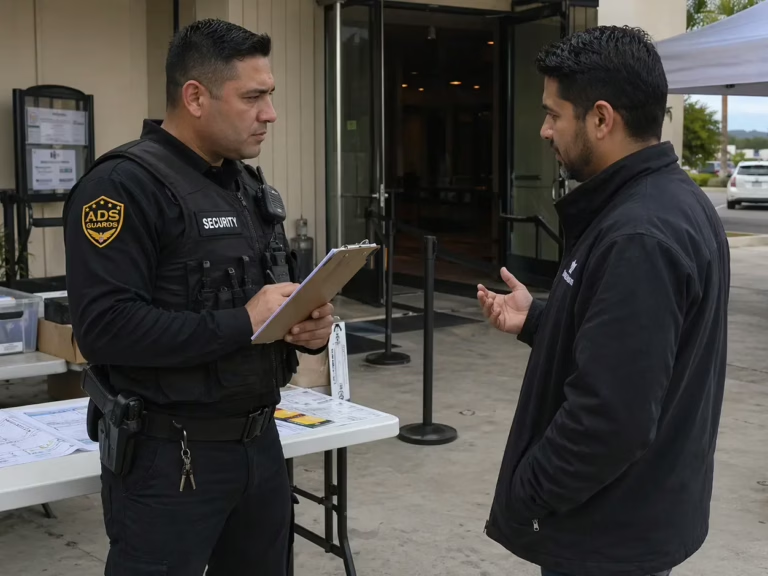
Most event problems do not start during the event. They start before it, when nobody nailed down the entrances, the staffing, the emergency contacts, or what happens if something goes sideways.
That is why an event security planning checklist matters. It gives you something simple to work through before guests show up, vendors start unloading, and the whole thing gets harder to control in real time.
If you are still figuring out what kind of coverage you may need, our guide on how much security guards cost in 2026 in California is a good place to start. If the event is more social, private, or alcohol-heavy, our post on security guards for a party helps too.
A solid event security plan usually covers five things: who is coming, where people can move, what could go wrong, who is responsible for what, and how your team responds if there is a problem. That lines up with the way CISA approaches venue security planning and the way FEMA treats contingency planning for special events.
Download the event security checklist
Use the checklist below while planning, then keep a clean version your team can actually use on event day.
Event security planning checklist
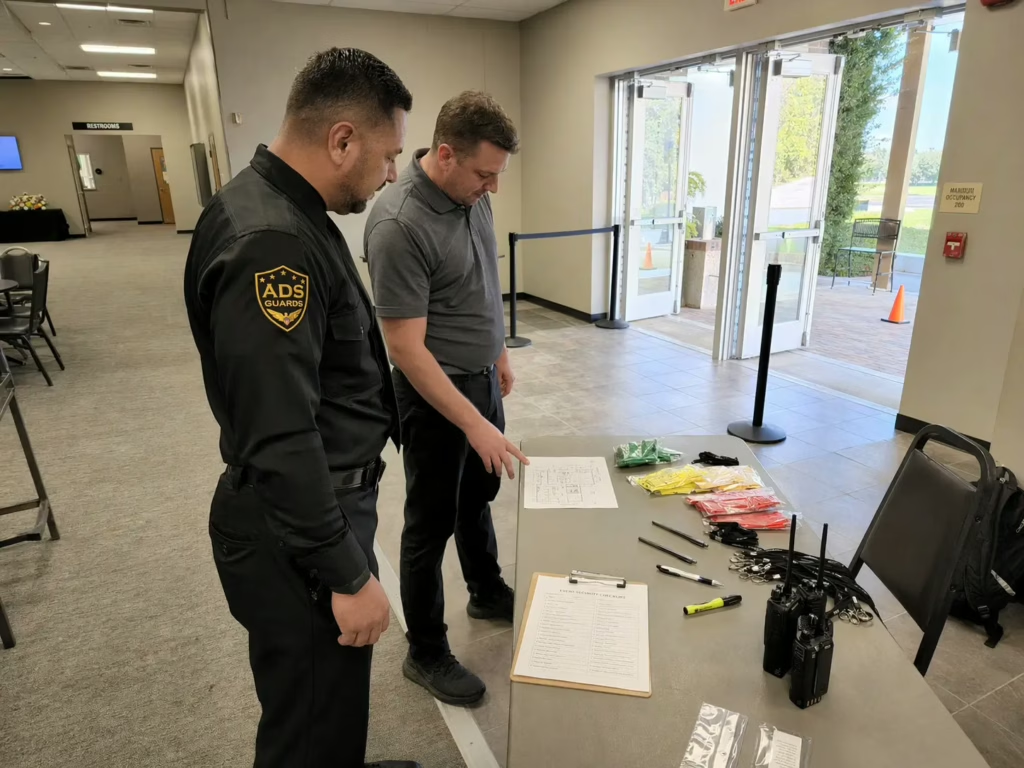
1. Start with the event basics
Before you get into guards, access points, or emergency procedures, get the basic scope straight.
Your team should know:
- event type
- date and time
- setup and breakdown hours
- venue name and address
- expected attendance
- public or private event
- alcohol service or no alcohol
- VIPs, speakers, performers, or special guests
- parking setup
- vendor load-in and load-out schedule
This sounds obvious, but a weak event plan usually starts with vague information. If nobody has a clear picture of the event itself, the security side stays fuzzy too.
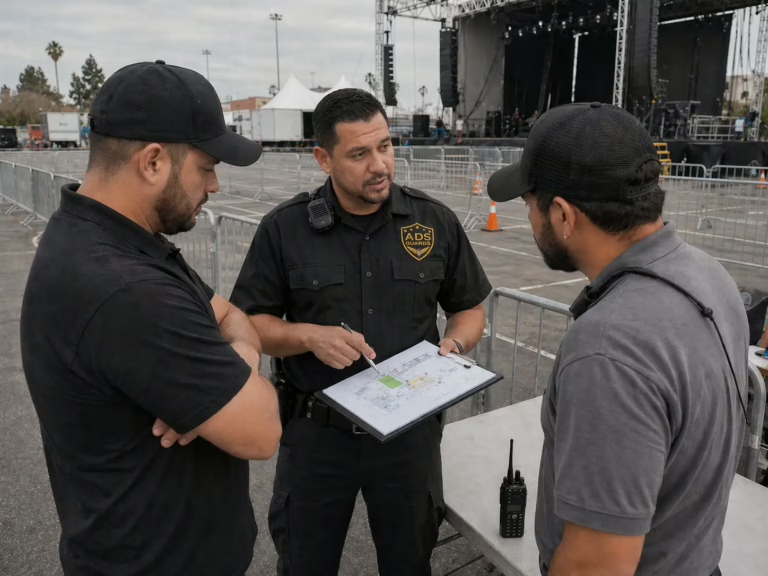
2. Walk the site before the event
A real event security checklist should never be built from guesswork alone.
Walk the property and look at:
- main entrances and exits
- emergency exits
- blind spots
- fencing or perimeter gaps
- parking lots
- backstage or staff-only areas
- cash handling locations
- loading zones
- restrooms
- places where lines may build up
This is where a lot of bad assumptions get exposed. A venue may look simple on paper and be messy in person. CISA’s venue guidance puts a lot of weight on site-specific security review for exactly that reason.
3. Build an event risk assessment checklist
This is one of the most important parts of the whole process.
A simple event risk assessment checklist should cover:
- crowd size
- open access vs. controlled entry
- alcohol service
- cash handling
- past incidents at similar events
- theft risk
- trespassing risk
- fights or disorder risk
- weather exposure
- traffic and parking issues
- VIP presence
- protest or disruption risk
- medical response access
- evacuation difficulty
You do not need to overcomplicate it. You just need to be honest about what could happen.
If the event has alcohol, late-night hours, public access, or a history of problems, your staffing and planning should reflect that. If it is a smaller private event, the setup may be lighter. The point is not to panic about every possibility. The point is to stop pretending every event has the same risk level.
4. Decide what kind of security presence the event needs
Not every event needs the same kind of coverage.
Some events need a visible unarmed presence at the entrance and a roaming guard in the parking lot. Others need credential checks, crowd control, bag screening, restricted access areas, and a supervisor coordinating the whole thing.
Your security checklist for events should spell out:
- unarmed or armed coverage
- how many guards are needed
- where each guard will be posted
- whether a site lead is needed
- whether parking patrol is needed
- whether bag checks or ID checks are part of entry
- whether backstage or private access needs coverage
If you are not sure how to think about guard count or pricing, our event security cost guide for California in 2026 helps put that side of the planning into real numbers.
A basic event security plan should answer these questions
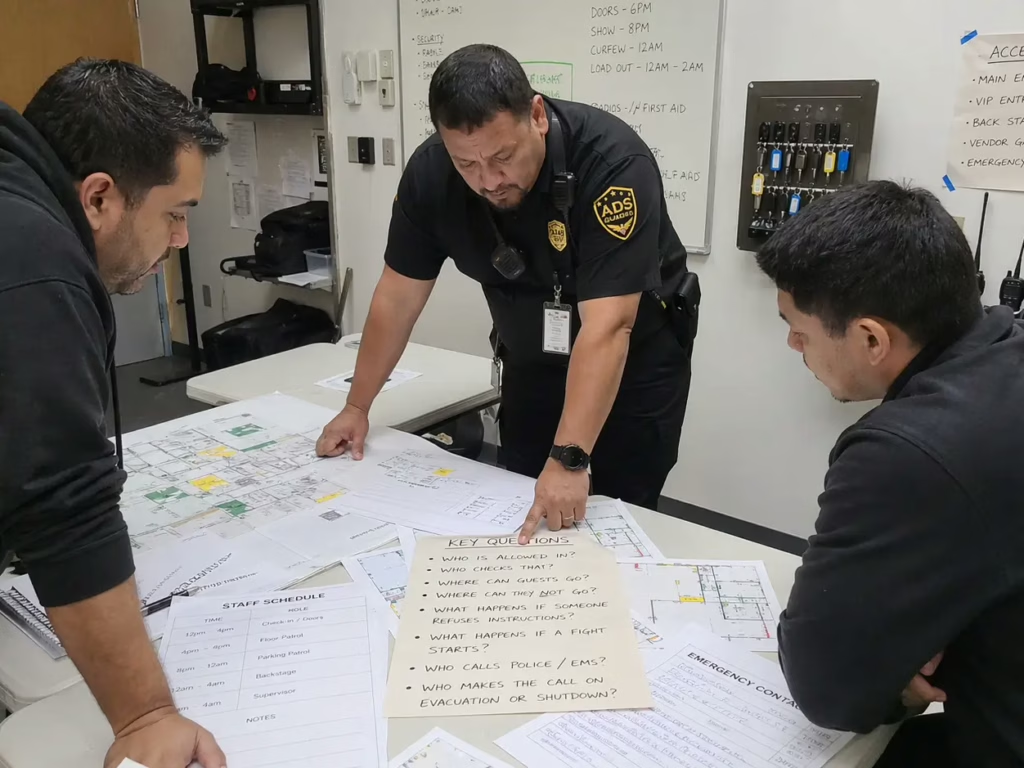
By this point, your event security planning should be able to answer:
- Who is allowed in?
- Who checks that?
- Where can guests go?
- Where can they not go?
- What happens if someone refuses instructions?
- What happens if a guest becomes disruptive?
- What happens if a fight starts?
- What happens if someone needs medical help?
- Who calls law enforcement or EMS if needed?
- Who makes the final call on evacuation or shutdown?
If those answers do not exist yet, the event security plan is not done.
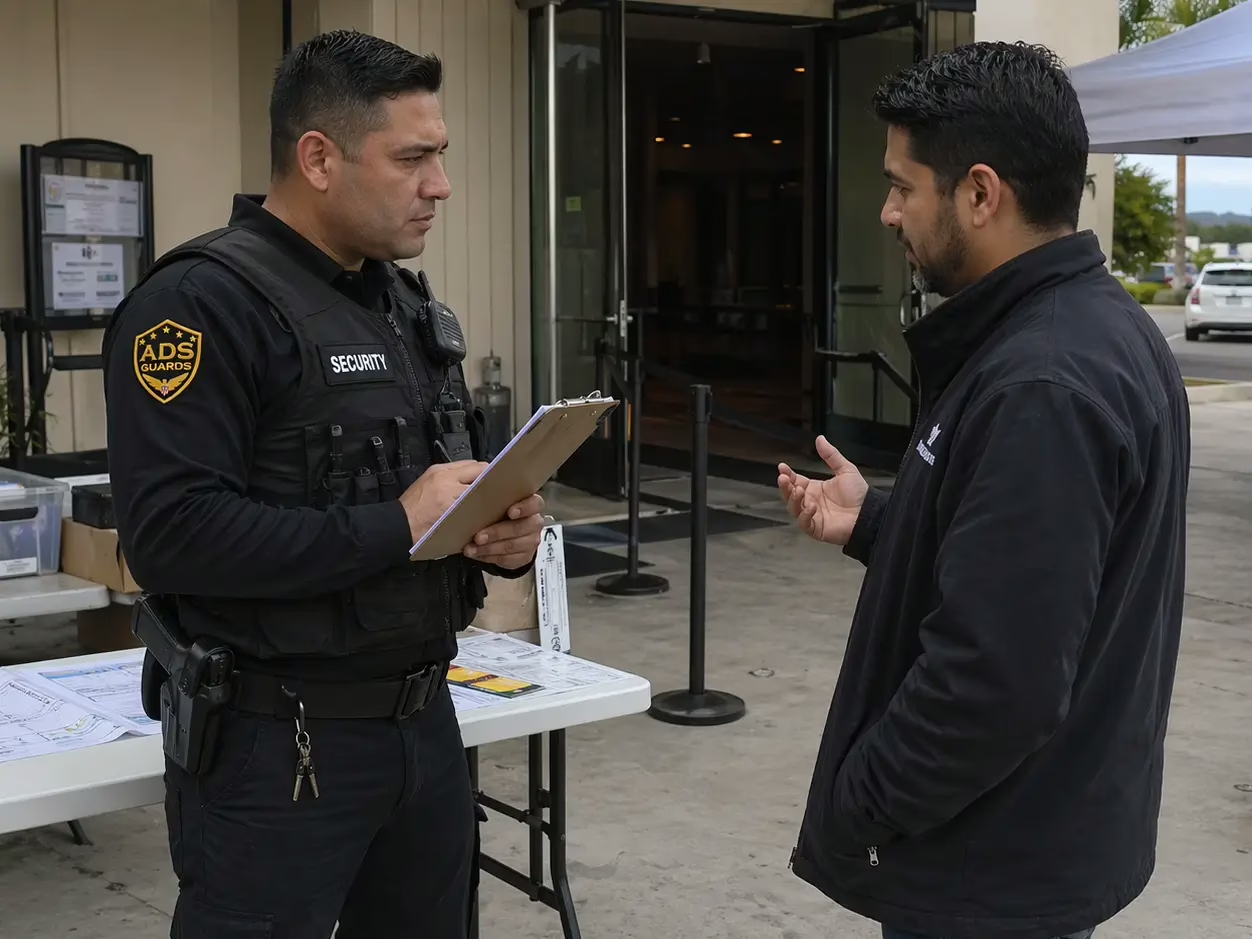
5. Lock down entry points and access control
Access control is where a lot of event problems either get prevented or invited in.
Your event safety checklist should include:
- which entrances are open
- which entrances stay locked or staff-only
- whether guests need wristbands, badges, tickets, or RSVP verification
- whether bags will be checked
- whether IDs will be checked
- where denied guests are redirected
- how re-entry works
This part needs to be clear before the first guest arrives. It also needs to be communicated to the team actually standing at the entrance, not buried in a document nobody reads.
If your event includes searches or bag checks, make sure your process is lawful, posted clearly, and handled professionally. Our post on whether security guards can search bags or people in California is useful here, especially for private events and controlled-entry venues.
6. Plan for crowd flow, not just crowd size
A lot of people focus on attendance and forget movement.
Two hundred people standing around quietly is one thing. Two hundred people entering at once, lining up for drinks, crowding a hallway, and trying to leave through the same narrow exit is another.
Your checklist should cover:
- entry flow
- check-in flow
- line buildup areas
- choke points
- stairwells and hallways
- bar or concession lines
- restroom traffic
- exit flow at closing
This is one reason Brown’s 2026 event security planning guidance treats staffing levels, deployment, patrol strategy, and access control as connected decisions, not separate boxes to check.
7. Write down emergency contacts and response steps
A real event security plan should include names, numbers, and roles.
That means:
- event organizer
- venue manager
- security lead
- medical contact
- local non-emergency police number
- EMS contact if applicable
- fire contact if applicable
- key vendor contacts
- backup decision-maker if the main organizer is unavailable
Then document what happens in common scenarios:
- medical incident
- fight or physical altercation
- suspicious person
- stolen property
- missing child
- intoxicated guest
- evacuation
- severe weather
- power outage
You do not need a 40-page binder. You do need something your team can use under stress. FEMA’s special events contingency planning guide makes the same basic point: response roles and contingency actions need to be worked out before the event, not invented in the moment.
8. Brief the team before the event starts
A checklist is not finished just because it exists.
Before the event begins, the people working it should know:
- the event schedule
- who is in charge
- where they are posted
- radio or phone procedures
- what issues to escalate immediately
- where emergency exits are
- where restricted areas are
- what to do with denied entry
- how to report incidents
- when shift changes happen
A fast pre-event briefing fixes a lot of confusion before it turns into bad decisions.
9. Cover the parking lot and exterior
A surprising number of issues happen outside the actual event.
Do not ignore:
- parking lot patrol
- poor lighting
- side entrances
- loitering near entry points
- vendor access areas
- rideshare pickup confusion
- cash or equipment movement after the event
- guests lingering after closing
If the parking lot feels like an afterthought, it usually becomes a problem later.
10. Plan for the end of the event too
A lot of event plans quietly stop at “doors open.”
That is not enough.
Your event security checklist should also cover:
- guest exit flow
- lingering guests
- post-event disputes
- vendor breakdown
- cash movement
- equipment protection
- staff escort if needed
- final sweep of the venue
- incident reporting before release
Some of the roughest moments happen when people are leaving, not when they arrive.
Simple event safety checklist you can use fast
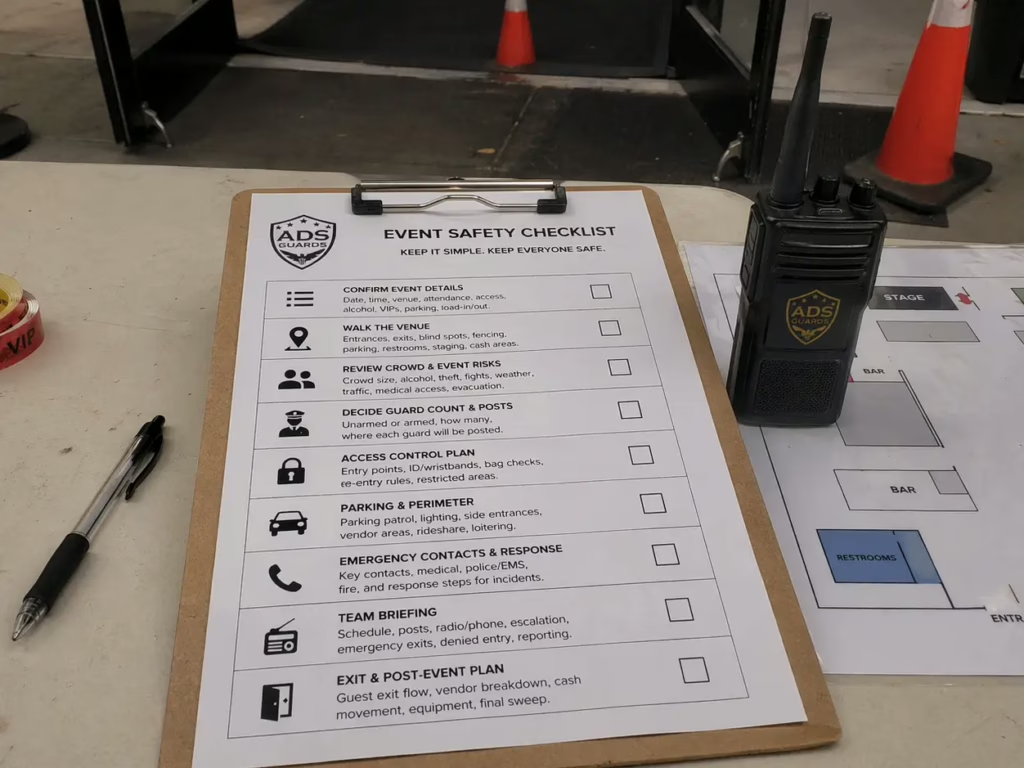
If you need the short version, here it is.
Event safety checklist
- confirm event details
- walk the venue
- identify entrances, exits, and restricted areas
- review crowd size and event risks
- decide guard count and post assignments
- create access control rules
- plan for bag checks or ID checks if needed
- cover parking and perimeter areas
- document emergency contacts
- document response steps for common incidents
- brief the team before doors open
- plan for shutdown, exit flow, and post-event reporting
Download the printable checklist
If you want a cleaner version without the extra explanation, use the printable PDF version here:
Need support on event day?
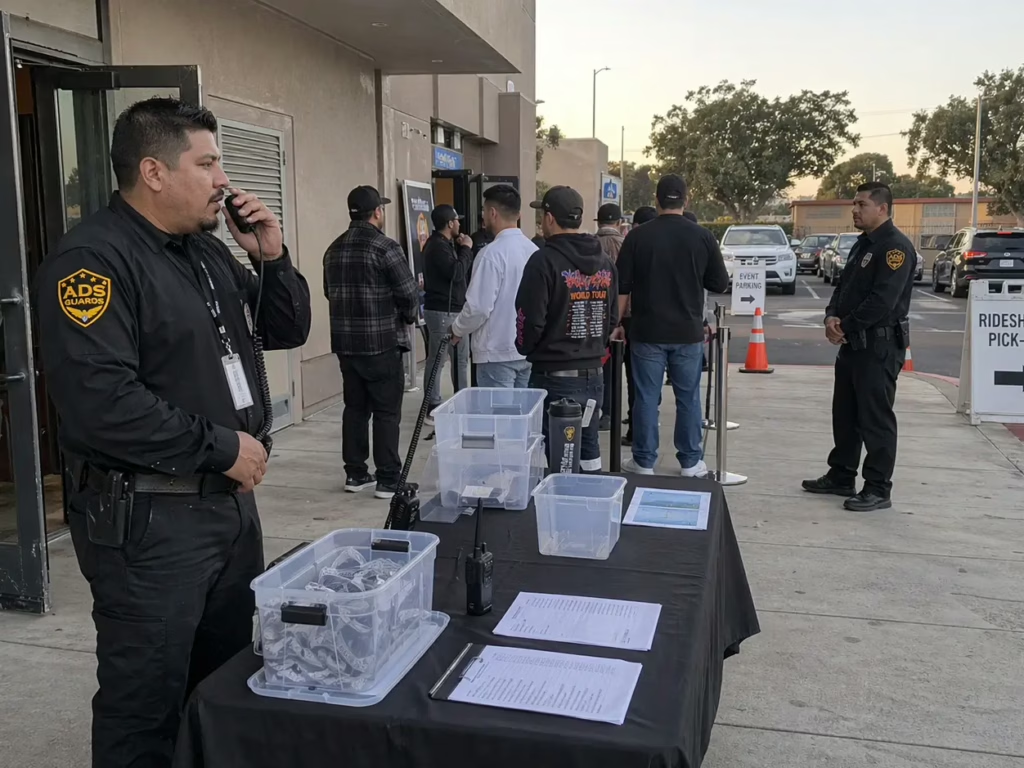
A checklist helps you plan the event. It does not replace having the right people on site when guests arrive, lines start building, or something needs to be handled fast.
If you already know your event needs coverage, our event security team can help with entry control, crowd management, parking lot patrol, and on-site support for private and public events across California.
If you’re still comparing options, you can also look at our guide on how much event security costs in California in 2026 to get a better idea of what affects pricing.
FAQ
What should be included in an event security planning checklist?
A strong event security planning checklist should cover the venue, entrances and exits, staffing, crowd flow, access control, emergency contacts, response steps, parking areas, and post-event shutdown. It should also include a basic risk review before the event starts.
What is an event risk assessment checklist?
An event risk assessment checklist is the part of planning where you identify likely problems before the event happens. That can include crowd issues, theft risk, alcohol-related incidents, trespassing, medical access, traffic, weather, and evacuation difficulty.
What is the difference between an event security checklist and an event security plan?
The checklist is the working tool. The plan is the full setup behind it. A checklist helps you confirm the important parts are covered. The event security plan explains who is doing what, where they are posted, and how incidents will be handled.
When should event security planning start?
Earlier than most people think. For smaller events, that may be a short runway. For larger events, planning should start well before the event day so site review, staffing, access control, and emergency procedures are not rushed.
Do small private events need a security checklist too?
Yes. Smaller events may need a lighter version, but they still benefit from a clear security checklist for events, especially if there is alcohol, private property access, parking concerns, or guest screening at the door.
Final thoughts
A good event security planning checklist does not need to be complicated.
It just needs to be real.
If the entrances are unclear, the staffing is vague, the emergency contacts are missing, and nobody knows what happens when a guest causes a problem, then the event is not really planned yet.
A simple checklist fixes that. It helps you catch weak spots early, tighten the plan before event day, and keep things a lot more controlled once people start showing up.