Event Security Risk Assessment Guide for Safer Event Planning
A lot of event problems look random when they happen. They usually are not.
Most of the time, the warning signs were there earlier. The entry setup was weak. The crowd flow was messy. The parking lot was ignored. The guest list was open-ended. Alcohol was involved, but nobody adjusted the staffing plan. That is why an event security risk assessment matters. It helps you spot problems before they turn into incidents.
If you are planning coverage right now, our page on event security gives a good overview of what that can actually look like on the ground. If you are still mapping out the full pre-event process, our event security planning checklist is a good companion piece. Guidance from CISA on venue security planning and FEMA’s special events contingency planning guide both push the same basic idea: figure out the risks early, then build your staffing and response plan around the real event, not a generic template.
What is an event security risk assessment?
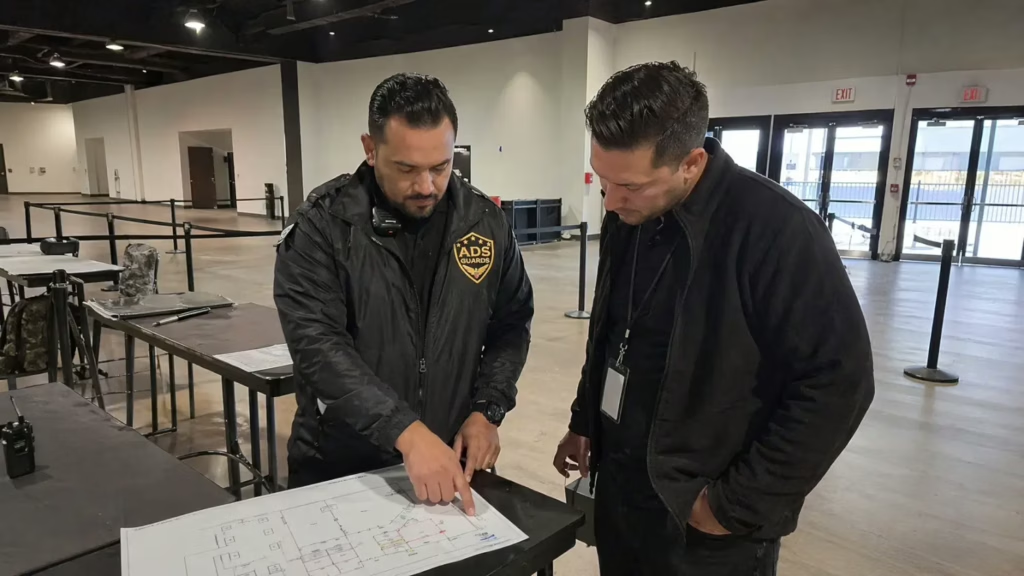
An event security risk assessment is the process of identifying what could go wrong at an event, how likely it is, how serious the impact could be, and what you need to do about it.
That sounds formal, but the actual goal is simple. You are trying to answer a few basic questions:
- What threats are realistic for this event?
- Where are the weak points?
- What would the damage look like if something happened?
- What steps reduce the risk before guests arrive?
A good event security assessment is not just about worst-case scenarios. It also covers the common stuff that causes problems all the time, like uncontrolled entry, crowd bottlenecks, parking lot issues, intoxicated guests, theft, restricted-area access, and weak communication between staff. That is consistent with how CISA frames venue risk and protective planning.
Why event risk assessment matters before event day
You cannot fix much once the event is already moving.
Once guests are arriving, vendors are asking questions, lines are building, and staff are bouncing between problems, even small planning mistakes get expensive fast. A proper event risk assessment gives you time to tighten the setup before it gets exposed in public.
It also helps with:
- staffing the right number of guards
- choosing the right post locations
- planning access control
- protecting restricted areas
- reducing liability
- improving emergency response
- keeping the event more organized from start to finish
If budget is part of the conversation too, our guide on how much event security costs in California in 2026 helps connect risk level to actual staffing costs.
What to include in an event security risk assessment
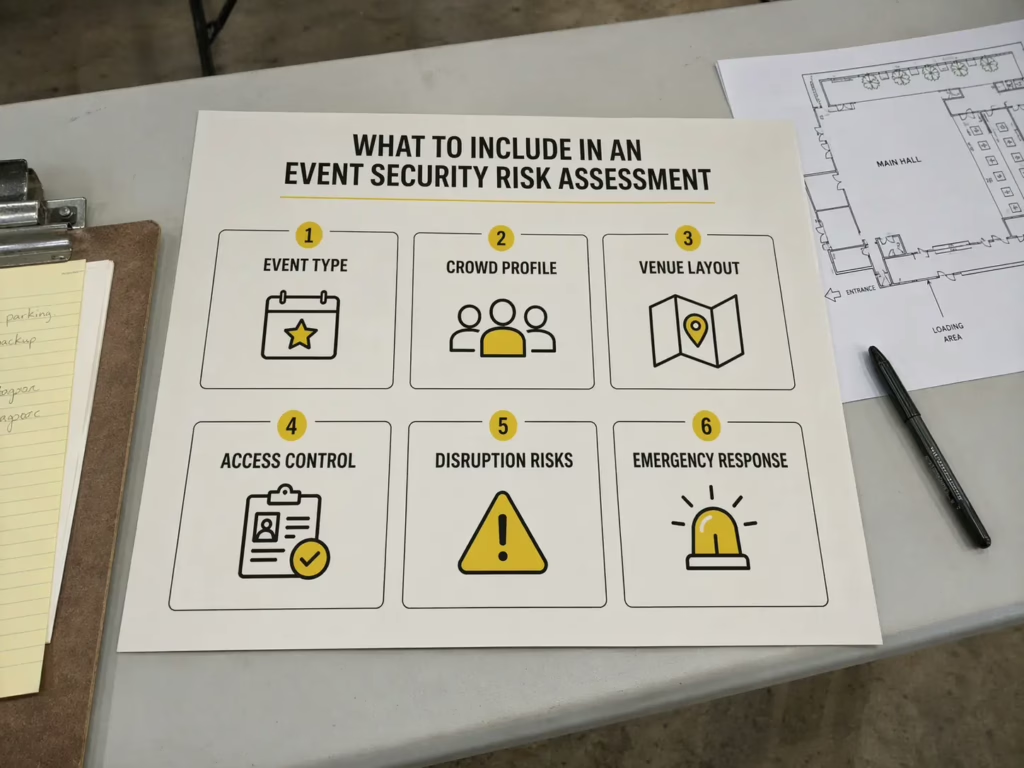
A useful security risk assessment for events should look at the event from a few angles, not just one.
1. Event type
Start with the basics.
Ask:
- Is this public or private?
- Is it a corporate event, festival, party, school function, religious gathering, concert, or community event?
- Will there be alcohol?
- Are there VIPs, performers, speakers, or cash handling?
- Is the event daytime, late night, or overnight?
A private networking event and a public late-night event with alcohol are not even close to the same risk profile.
2. Crowd profile and attendance
Headcount matters, but guest type matters too.
Look at:
- expected attendance
- age group
- open public access or invite-only access
- history of disorder at similar events
- whether guests are likely to arrive in waves or all at once
- whether there are known conflict points
Some events stay calm even when they are large. Others get unpredictable fast with a much smaller crowd.
3. Venue layout
This part gets missed all the time.
Your event safety risk assessment should review:
- entrances and exits
- emergency exits
- blind spots
- parking lots
- loading areas
- backstage or staff-only zones
- fencing or perimeter gaps
- lighting conditions
- narrow hallways or choke points
- access to medical response routes
CISA’s venue guidance puts strong emphasis on site-specific review because the physical layout often creates risks that are easy to miss on paper.
4. Access control
A lot of event issues start at the entrance.
Review:
- how guests are verified
- whether IDs are checked
- whether bags are checked
- how staff and vendors are identified
- how re-entry works
- how denied entry is handled
- whether any entrances should stay closed
If your event includes bag checks or guest screening, our post on can security guards search bags or people in California is useful because those rules are more consent-based than many people assume.
5. External threats and disruption risks
This is the part people usually mean when they say event threat assessment.
Depending on the event, that can include:
- gate crashing
- trespassing
- theft
- vandalism
- fights
- intoxicated or disorderly guests
- targeted disruption
- protest activity
- suspicious packages
- vehicle access concerns
- harassment of staff or guests
Not every event needs to treat every one of these as a major concern. The point is to decide what is realistic for this specific event.
6. Emergency response
An event security risk management plan is weak if it only focuses on prevention and ignores response.
You should know:
- who calls 911 if needed
- who contacts venue management
- who handles evacuation calls
- who coordinates with EMS or fire
- where the emergency exits are
- where guests should go if the event is cleared
- how staff communicate during an incident
FEMA’s special events planning guide puts a lot of weight on pre-defined roles, communication, and contingency actions for exactly this reason.
A simple way to score event security risk
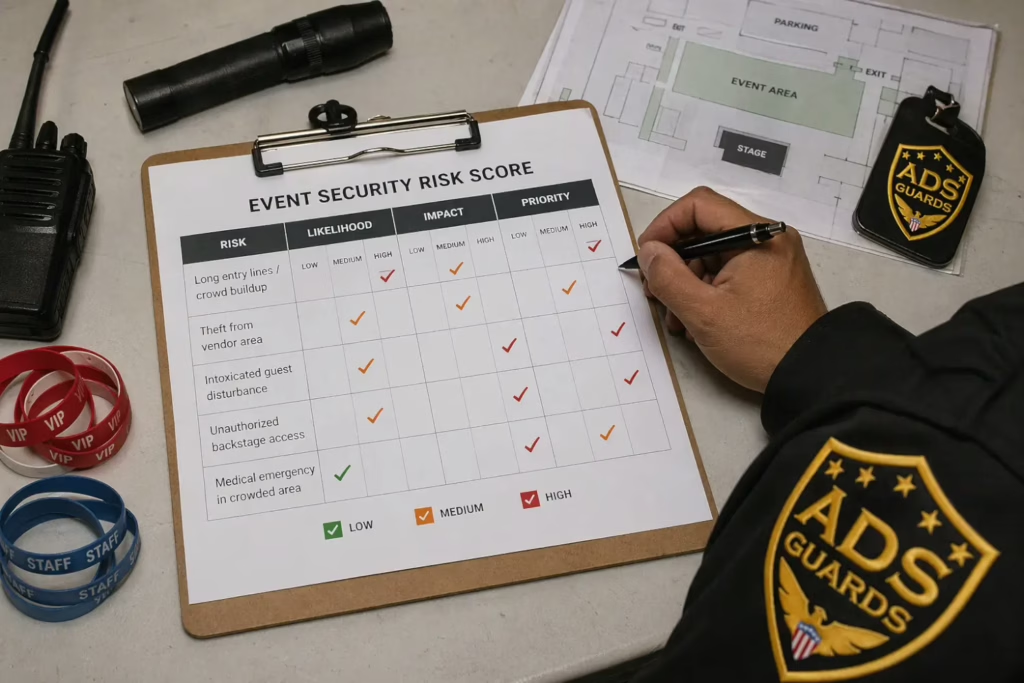
You do not need a giant spreadsheet to make this useful.
A simple way to score risk is to look at each concern using two questions:
- How likely is it?
- How bad would it be if it happened?
That gives you a quick way to sort issues into low, medium, or high priority.
Example
| Risk | Likelihood | Impact | Priority |
|---|---|---|---|
| Long entry lines causing crowd buildup | High | Medium | High |
| Theft from vendor area | Medium | Medium | Medium |
| Intoxicated guest causing disturbance | Medium | High | High |
| Unauthorized backstage access | Medium | High | High |
| Medical emergency in crowded area | Low | High | Medium to High |
This kind of simple scoring works well because it keeps the assessment practical. You are not trying to predict the future perfectly. You are trying to decide what deserves attention first.
Questions your event security assessment should answer
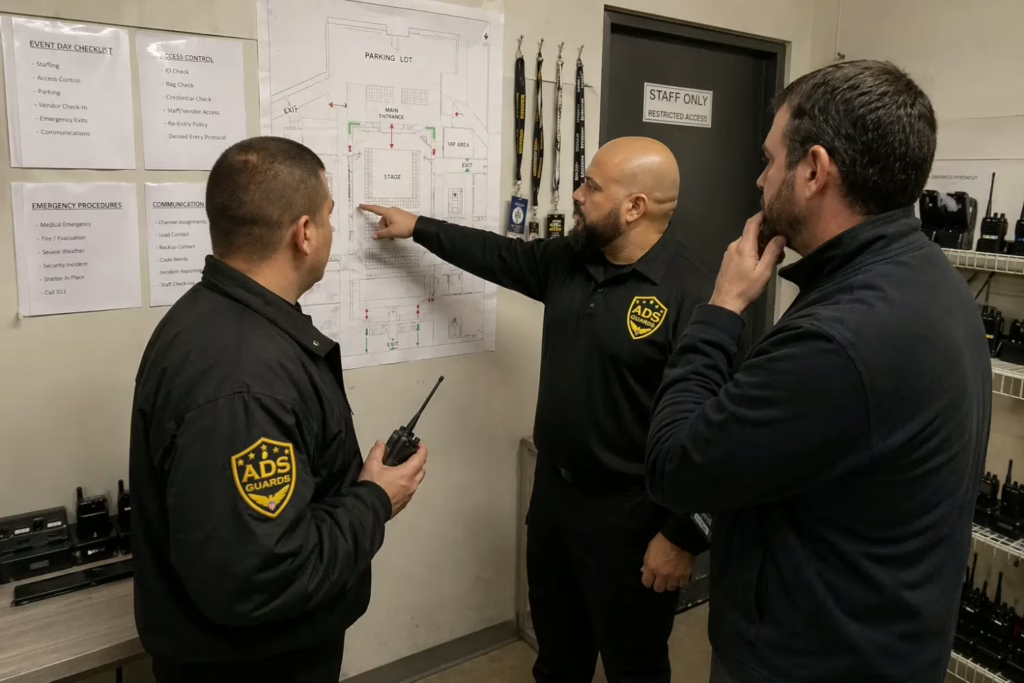
By the end of the assessment, you should be able to answer questions like these:
- Where is the event most vulnerable?
- Which entrances need coverage?
- Do we need bag checks, ID checks, or credential checks?
- Are there any areas guests should not access?
- Does the parking lot need patrol?
- Is alcohol going to change the staffing plan?
- What is the procedure for denied entry?
- What is the response plan for fights, theft, or medical issues?
- Do we need a supervisor or site lead?
- Are we using the right number of guards for the actual risk?
If you cannot answer those clearly, the assessment is not finished yet.
Common mistakes in event security risk management
A lot of bad event planning comes from the same few mistakes.
Treating every event the same
This is probably the biggest one.
Some teams reuse the same setup for every event because it is easy. But a daytime private event, a public event with alcohol, and a late-night celebration with open access need different security thinking.
Underestimating the parking lot
A lot of problems happen outside, not inside.
Poor lighting, side access, theft from vehicles, guest disputes after closing, and uncontrolled loitering can all start in the parking area.
Focusing only on the main event space
If the venue has staff-only areas, loading zones, cash handling points, backstage sections, or temporary storage, those need attention too.
Planning for prevention but not response
Stopping problems matters. So does knowing what the team actually does when something still happens.
Waiting too long
The later the assessment starts, the fewer fixes are possible. Good event security risk management starts before staffing is finalized and before access rules are locked in.
How we’d use an event security assessment on a real job
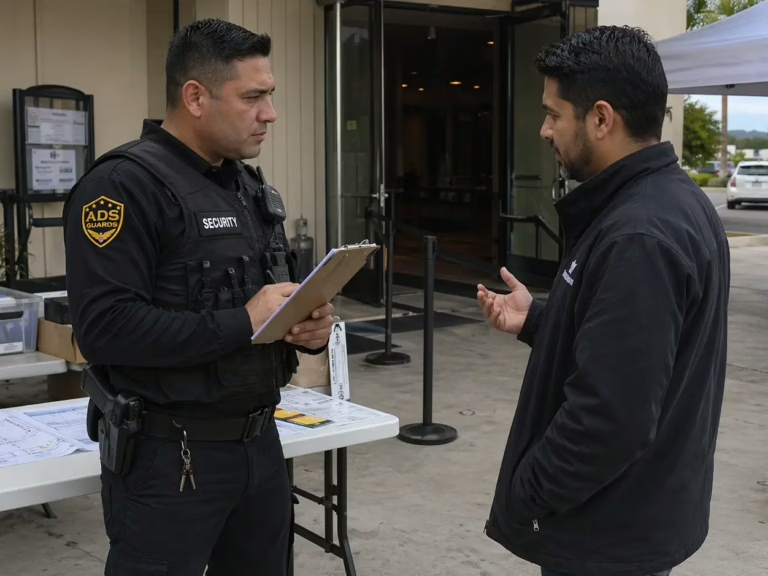
At ADS Guards, the point of a risk assessment is not to make the planning sound official. It is to make the event easier to control.
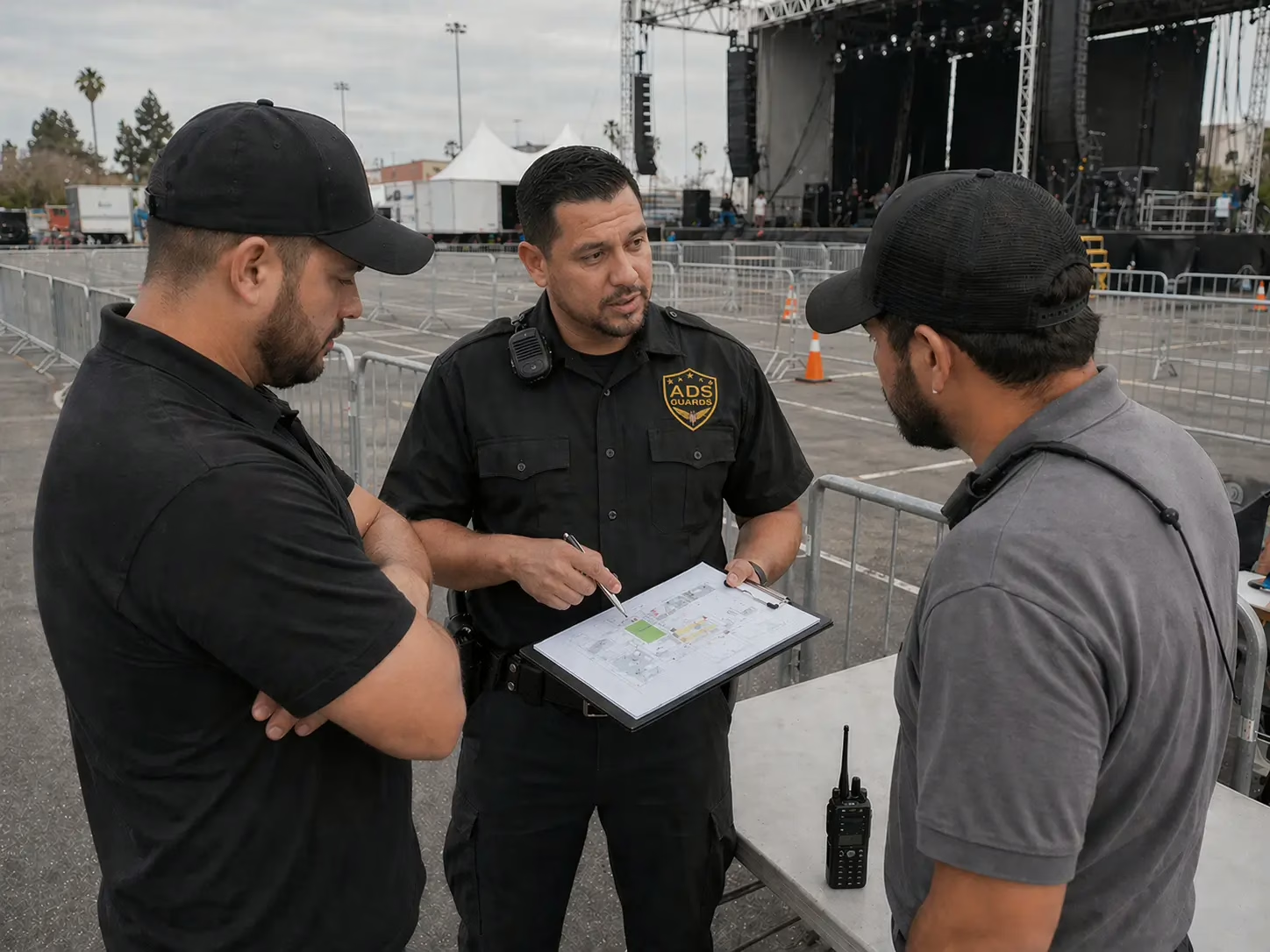
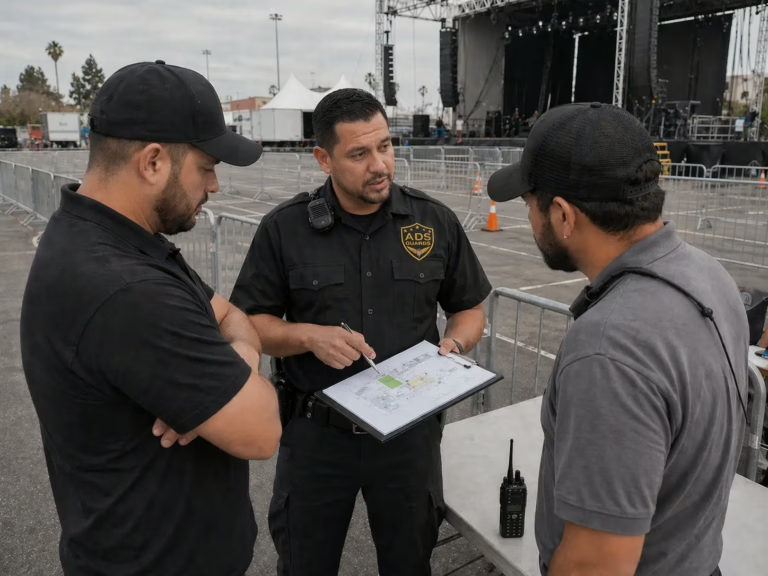
That usually means looking at the venue, reviewing guest flow, identifying weak spots, deciding where guards actually need to be, and adjusting the plan for alcohol, parking, restricted areas, or any known trouble points. On our event security page, we talk about risk assessment, crowd management, and emergency response because those pieces usually work together, not separately.
If the event is smaller and more social, some of the same issues show up in a different form. Our post on security guards for a party is useful for that side of the conversation.
When you may need professional help with the risk assessment
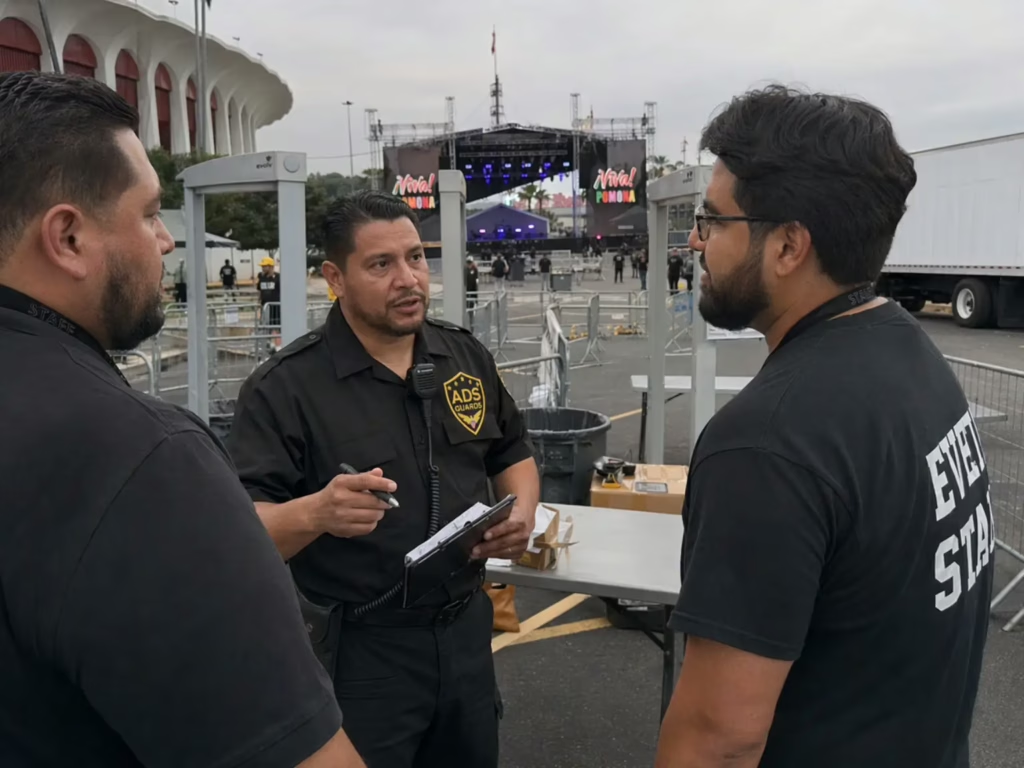
Some events are straightforward enough to plan internally.
Others are not.
It usually makes sense to bring in professional security input when:
- the event is open to the public
- alcohol is involved
- attendance is large
- the venue has multiple access points
- there are VIPs or public-facing guests
- there is cash handling
- the parking setup is messy
- the event runs late
- there is a history of theft, disruption, or fights
That does not mean the event is dangerous. It usually just means the event has enough moving parts that a loose plan is not good enough.
If you already know the event needs coverage, our event security team can help you plan the setup, identify weak spots, and put the right guards in the right places before the event starts.
FAQ
What is an event security risk assessment?
An event security risk assessment is a pre-event review of likely threats, weak points, and operational risks. It helps organizers decide what kind of security setup, staffing, access control, and response planning the event actually needs.
What is the difference between an event risk assessment and an event security plan?
The event risk assessment identifies the problems you need to prepare for. The event security plan is the setup you build in response, including guard posts, access rules, communication, and incident procedures.
What should a security risk assessment for events include?
A strong security risk assessment for events should include crowd size, guest type, venue layout, entrances and exits, parking areas, restricted zones, alcohol service, access control, emergency response, and likely disruption risks.
Why is event threat assessment important?
An event threat assessment helps you identify realistic disruption risks before the event starts. That may include trespassing, theft, fights, targeted disruption, suspicious behavior, or unsafe crowd movement.
When should event security risk management start?
As early as possible. It should happen before staffing is finalized and before event-day procedures are locked in, so there is still time to fix weak points.
Final thoughts
A good event security risk assessment is really just a way to stop guessing.
It helps you figure out where the event is exposed, what deserves the most attention, and what kind of security plan actually fits the job. That makes the event safer, easier to run, and a lot less stressful once people start showing up.