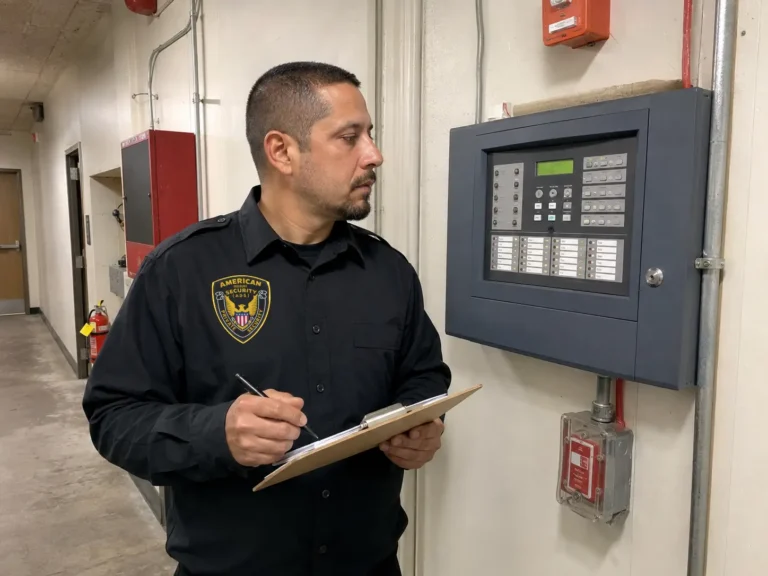

Can security guards arrest someone in California?
Quick Answer: Yes, But It’s Not a “Police Arrest”
Yes, security guards can arrest someone in California, but only under the same basic authority a regular private person has (usually called a citizen’s arrest). California spells this out in Penal Code 837, which lists when a private person may arrest someone.
Here’s the vibe in plain English:
- A security guard is not a police officer.
- A security guard doesn’t get magic “badge powers” just because they’re in uniform.
- If a guard makes an arrest, it’s generally a private person arrest, and the guard has to stay inside tight legal boundaries.
Citizen’s arrest vs. police arrest (huge difference)
A police arrest is backed by broader authority (investigations, warrants, official custody procedures, etc.). A citizen’s arrest is basically:
“I saw a crime that legally qualifies, and I’m taking action, carefully.”
That’s why citizen’s arrests are a high-risk area for liability if someone gets it wrong, BSIS (the state agency that regulates security licensing/training) emphasizes restraint, good judgment, and understanding the limits.
What security guards are actually hired to do most of the time
In the real world, most guards are paid to:
- Deter problems
- Observe and report
- De-escalate
- Call law enforcement when needed
Arrests are typically the exception, not the main event.
What California Law Says About Citizen’s Arrest

Let’s anchor this in the actual rules.
When a private person may arrest (Penal Code 837)
California Penal Code 837 says a private person may arrest another:
- For a public offense committed or attempted in their presence
- When the person arrested has committed a felony (even if not in their presence)
- When a felony has in fact been committed and the arrester has reasonable cause to believe the person did it
That’s the core framework security guards operate under if they arrest.
“Public offense in your presence” in plain English
This is the common one. If the guard personally witnesses a crime happening (or an attempt), they may be able to do a citizen’s arrest.
Felonies: when presence isn’t required
Felony situations can be broader, but also riskier. If you didn’t personally witness it, you’re leaning on “has committed” / “felony in fact committed” + reasonable cause, which is where mistakes get expensive.
After the arrest: you can’t just “hold them in the office” (Penal Code 847)
This part is big and often misunderstood.
Penal Code 847(a) says a private person who has arrested someone must, without unnecessary delay, take them before a magistrate or deliver them to a peace officer.
Translation: If a guard makes a citizen’s arrest, the next step is usually “call police and transfer custody ASAP,” not “let’s do a 2-hour interview in the back room.” (Also: that “back room interview” idea is how lawsuits are born.)
Detain vs. Arrest: The Mix-Up That Causes Lawsuits

A lot of people say “arrest” when they really mean “detain,” and that confusion matters.
- Detain = temporarily hold for investigation (in limited contexts)
- Arrest = taking someone into custody under legal authority (citizen’s arrest rules apply)
BSIS training materials talk about the liability risk of false arrest and emphasize that security personnel need explicit training and clear policy before making citizen’s arrests.
Detention for investigation (especially retail situations)
Retail is the classic scenario. Stores often use loss prevention/security to detain suspected shoplifters, but that’s governed by specific rules (more on that next).
How long is “reasonable” (and what’s not)
California statutes use terms like “reasonable time” and “reasonable manner,” especially in shoplifting contexts. If a detention drags on, gets physical, or turns humiliating, that’s where legal exposure grows fast.
Retail & Loss Prevention Special Rules: Shopkeeper’s Privilege

This is where things get more specific, and where a lot of “security guard arrest” situations happen.
When a merchant can detain and use non-deadly force (Penal Code 490.5)
Penal Code 490.5(f) says a merchant may detain a person for a reasonable time to conduct an investigation, in a reasonable manner, when there’s probable cause to believe the person is stealing or has stolen merchandise.
It also allows a reasonable amount of non-deadly force if needed to protect the person detaining and to prevent escape.
Limited bag searches during detention (what’s allowed)
This is interesting (and super relevant in real life): if the person refuses to surrender suspected stolen items, a limited and reasonable search can be conducted of packages/shopping bags/handbags or other property in the person’s immediate possession, but not clothing worn by the person.
So in retail: yes, a limited bag search can be lawful in that specific statutory context.
Can Security Guards Use Handcuffs or Force?

This is the part people get emotional about, so let’s keep it grounded.
Reasonable force only (not “whatever it takes”)
BSIS training materials emphasize that only reasonable or necessary force is allowed, and going beyond that can create criminal and civil liability.
Handcuffs can fall under “restraint,” but the key question is always:
Was it reasonable for safety and to prevent escape, or was it punishment/overkill?
Why “excessive force” is the fastest way to lose a case
Even if the underlying detention/arrest started out lawful, excessive force can turn it into a major problem. BSIS explicitly warns about liability tied to false arrest and excessive force decisions.
What Security Guards Can’t Do (Common Myths)
Let’s pop a few myths like balloons.
They can’t interrogate you like police
Security can ask questions, sure. But they can’t run a full-on “confession room” routine and keep you there “until you talk.” If there’s an arrest situation, Penal Code 847 pushes things toward turning custody over to law enforcement without unnecessary delay.
They can’t punish, threaten, or “teach you a lesson”
Security is not judge, jury, or street-justice. BSIS training stresses judgment, restraint, and the preventive role of private security.
What to Do If a Security Guard Tries to Arrest You
If you’re the person being detained/arrested, the goal is: stay safe, don’t escalate, protect your rights.
How to protect yourself without escalating
- Stay calm (annoying advice, but it works)
- Don’t physically resist (even if you think it’s unfair)
- Ask: “Am I being detained? Am I under arrest? Am I free to leave?”
- If police are coming, wait for them and explain your side to law enforcement
What to say (and what not to say)
Good: “I don’t consent to searches.” / “I want to speak to an attorney.”
Bad: threats, insults, or anything that turns a tense moment into a viral video.
What Business Owners Should Know Before Telling Guards to “Detain Everyone”

If you’re the business owner/manager: your guard’s decision can become your liability problem. BSIS notes civil liability can extend to security personnel, employers, and even clients depending on circumstances.
Policies, post orders, and training matter
- Clear post orders reduce improvisation
- Training keeps guards inside legal boundaries
- Escalation protocols prevent “hero moments” that become lawsuits
Documentation: your best friend when things get messy
Logs, incident reports, timestamps, and camera footage can be the difference between “clean resolution” and “we’re arguing about what happened for six months.”
FAQs: Can Security Guards Arrest Someone in California?
1) Can a security guard arrest you for trespassing?
Potentially, but it depends on the exact circumstances and whether the legal requirements for a private person arrest are met. Often, security will document and call police rather than attempt an arrest.
2) Do you have to stay if security says you’re detained?
It depends. In retail/shoplifting contexts, merchants can detain under Penal Code 490.5 with probable cause, for a reasonable time, in a reasonable manner.
3) Can security guards handcuff you?
They may use restraint if it’s reasonable and necessary, especially for safety and preventing escape, but misuse creates serious liability risk.
4) Can security search you during an arrest?
It’s limited. In shopkeeper’s privilege situations, there are rules for limited bag/package searches (not clothing). Outside those situations, searches get much riskier and often require law enforcement involvement.
5) How long can security hold you after a citizen’s arrest?
Not long. Penal Code 847 says the arrested person must be delivered to a peace officer or taken before a magistrate without unnecessary delay.
6) What if the security guard arrests the wrong person?
That can lead to claims like false arrest/false imprisonment. BSIS training materials specifically highlight civil and criminal liability risks tied to false arrest and excessive force.
A Calm, Practical Next Step (If You Need Professional Security)

Here’s the honest truth: most businesses don’t need guards who want to arrest people. They need guards who can prevent problems, de-escalate, document, and call law enforcement quickly when things cross the line.
This is exactly how we handle things at American Discount Security (A.D.S.). Our focus isn’t on racking up arrests, it’s on preventing problems, de-escalating situations, and knowing when to step back and involve law enforcement instead of forcing an issue. That approach keeps our clients protected and keeps small incidents from turning into expensive ones.
Conclusion: The Safe, Smart Way to Handle Arrest Situations
So, Can security guards arrest someone? Yes, sometimes. But in California it’s usually a citizen’s arrest, with strict conditions, tight limits, and real liability if it’s done wrong.
The smartest approach for most situations is:
- Prevent and deter
- De-escalate
- Document everything
- Involve law enforcement early when it’s serious
That protects the public, the business, and the guard.