
How to Prevent Squatters From Moving Into a Vacant Property
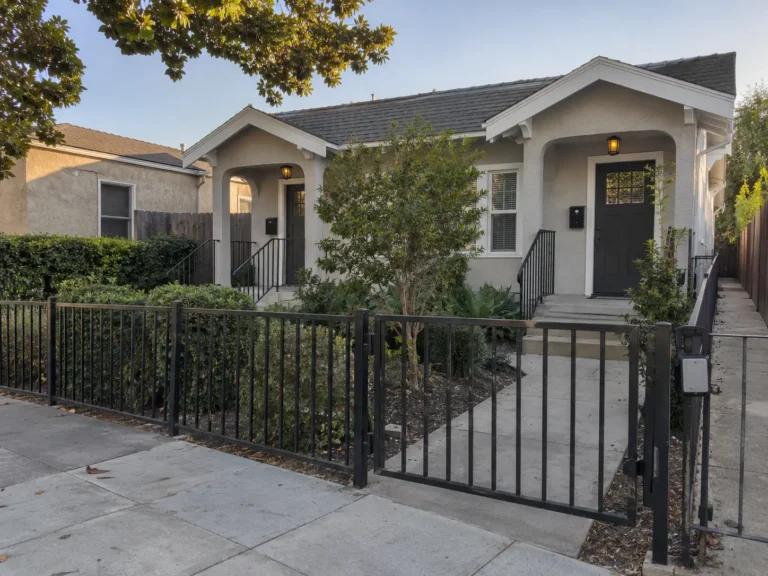
A vacant building can change fast. A side door stops latching. Mail piles up. Someone notices that the lights never turn on. If you want to know how to prevent squatters, start there. Close off easy entry, keep the place in shape, and have someone check it often enough to spot a problem early.
This applies to a house between tenants and a commercial space waiting for its next occupant. Write down who checks the place and what they'll do if something looks wrong. Otherwise, even a good alarm can end up sending alerts to a phone nobody checks.
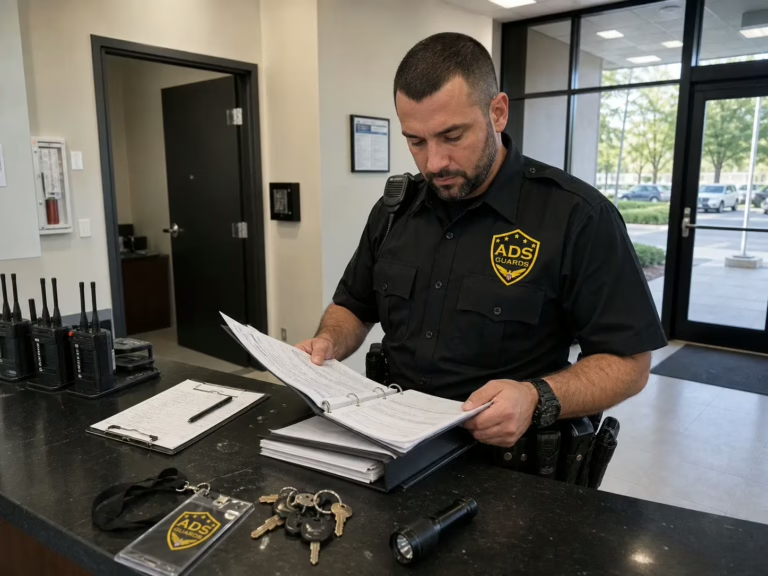
If regular checks are hard to staff, ADS Security Guards' mobile patrols can help cover the gaps.
How to prevent squatters: make access difficult first
Walk the property as if you didn't have a key. Which door would you try? Maybe it's a loose window, a gate that never closes, or a basement entrance hidden behind shrubs. Fix those openings first. The front door may be fine while the back of the building is wide open.

Change access after the last occupant leaves
When a property is lawfully vacant and you have the right to secure it, collect keys and access cards, change or rekey locks as needed, and remove old door codes. Include side doors, garages, sheds, shared entrances, and contractor lockboxes in the handover. If a unit is still occupied or someone's right to possession is disputed, don't treat it as vacant. Get legal advice before changing access.
Check each opening from both sides. A deadbolt is little help if the doorframe is split. Repair broken windows promptly and secure accessible openings without blocking required emergency access. The U.S. Fire Administration's guidance on vacant buildings puts monitoring, securing, and inspecting empty properties together for a reason: a locked building that nobody checks can still develop an unnoticed problem.
Keep the outside maintained
An overgrown yard, overflowing mailbox, and trash at the curb advertise that nobody is paying attention. Arrange landscaping and remove deliveries. If a window breaks or graffiti appears, someone should already know whose job it is to fix it. Exterior lighting helps people see doors and paths after dark; trim plants that conceal entrances or camera views.
Don't leave valuable items in view to make the place look occupied. Keep it tidy instead. A fresh pile of trash or a damaged gate is easier to spot when the rest of the property is maintained.
Give alerts a human response
Cameras and alarms can alert you to movement. Someone still has to look at the right view and respond. Decide who checks notifications, who can visit the site, and what happens when an alarm goes off at 2 a.m.
For a property you'll leave empty for weeks, schedule documented inspections. The right frequency depends on the building, its location, your insurer's conditions, and what has happened there before. A simple log is enough: date, time, doors and windows checked, signs of entry, photos, and follow-up assigned. Give contractors a way to report trouble, too. They often notice a damaged lock before the owner does.

If you manage several vacant sites or one that has repeated trespass problems, mobile patrols can cover the hours between your own visits. Our team can check access points and report a broken lock or fresh damage while there's still time to deal with it. You'd still want good locks and a person assigned to respond to any report.
Make permission and boundaries clear
Post visible no trespassing signs at entrances and likely access points. Clear signage helps visitors understand where they may and may not go, but the exact rules vary by location and property type. If your property is in California, our separate guide to no trespassing signs covers placement and wording in more detail.
Ask the local police department whether it offers a trespass authorization or letter of agency. Programs vary by city. For example, the San Diego Police Department's Letter of Agency program is intended for vacant properties as well as businesses and other sites with trespass problems. Its application and signage rules are specific to San Diego, so check with the department that serves your address rather than copying another city's form.
Keep an updated contact list for the property. Include the owner or manager, anyone authorized to enter, the alarm company, security provider, and an emergency contact. If police call, you should be able to identify who belongs there without guessing.
Watch the handoff between occupants
Vacancy plans often fall apart during transitions. A tenant leaves, a cleaner arrives, a contractor needs access, and the next showing is two weeks away. Nobody is certain who locked up last.

Use a short handoff checklist every time a unit or building becomes vacant:
| Before you leave the site | Who confirms it |
|---|---|
| All occupants have lawfully left and access can be changed | Owner or property manager |
| Keys, codes, and lockboxes are accounted for | Property manager |
| Doors, windows, gates, and outbuildings are secure | Site contact |
| Mail, trash, and landscaping have assigned owners | Property manager |
| Alarm alerts and camera access are tested | Monitoring contact |
| The first follow-up inspection is scheduled | Owner or patrol contact |
If the property is being shown, decide how agents and contractors will get in and how they'll secure it afterward. If a lockbox code has been shared with half a dozen vendors, change it when their work is done.
What if you find signs that someone has entered?
An open door, bedding, fresh food packaging, or a changed lock deserves a calm response. Don't go inside alone to confront anyone. Move to a safe place and contact police if you think someone is there or a crime is in progress. Photograph what you can from a safe, lawful position and preserve camera clips, alarm records, and inspection notes. Tell the owner or property manager promptly.

Do not assume that every person inside has the same legal status. A former tenant, a guest, and a stranger who forced entry can raise different questions. If anyone claims a right to live there, get local legal advice before taking action to remove them. In California, the Attorney General's guidance on unlawful lockouts is explicit that landlords cannot lock tenants out, cut utilities, or remove belongings to make them leave. Security staff can observe, document, and contact the proper authorities; they should not be asked to decide a disputed tenancy on the spot.
Once the situation is resolved through the proper process, repair the entry point immediately. Then look at why it was missed. Was a gate left open after a showing? Did an alarm go to an old phone number? Update the handoff checklist or contact list so it doesn't happen again.
Match the plan to the property
A single vacant house with a trusted nearby contact may need good locks, routine visits, and working lights. A large apartment complex with empty units, multiple vendors, and shared access may need tighter key control and a scheduled patrol route. A commercial building with loading bays and multiple entrances has another set of weak points.
List each entrance, who can use it, who checks it, and how a problem gets reported. Add cameras, alarms, fencing, or residential security support where there's a gap to cover. Review the list after repairs, tenant turnover, or any incident.
FAQ
Can a no trespassing sign prevent squatters by itself?
No. It can make boundaries clear and may support local enforcement procedures, but it will not secure an unlocked door or alert you to an entry. Pair signs with access control and regular checks.
How often should a vacant property be checked?
There isn't one schedule that fits every property. Consider its risk, how long it will be empty, insurer requirements, and whether alarms or patrols cover the gaps between visits. Write down the schedule and keep a record of each inspection.
Should I call police if I think someone is staying in my empty building?
Yes, especially if you believe someone is inside or an entry has just happened. Don't confront the person yourself. Share the facts you know, such as ownership, occupancy status, recent inspections, and any footage. If the person claims a right to occupy the space, consult a local attorney about the next step.
Final Thoughts
To prevent squatters, secure the property before it goes empty and keep checking it. The small things are often the ones that get missed: a contractor's old door code, an open side gate, a camera alert going to a former manager. If visits are hard to cover, we can help arrange patrol checks while the building is vacant.