Loss prevention in retail: 12 ways to reduce theft and shrinkage
Retail losses rarely come from one dramatic incident. They build through small thefts, refund abuse, receiving mistakes, damaged goods, cash shortages, and inventory that quietly stops matching the numbers in the system.
Good loss prevention in retail makes losses harder to hide. Employees know what to do, managers can spot patterns, and customers can shop without feeling like they walked into an interrogation room.
What loss prevention in retail covers
Retail loss prevention protects merchandise, money, people, and store operations. Some retailers call it retail asset protection. Shoplifting is part of it, but it is not the whole job.
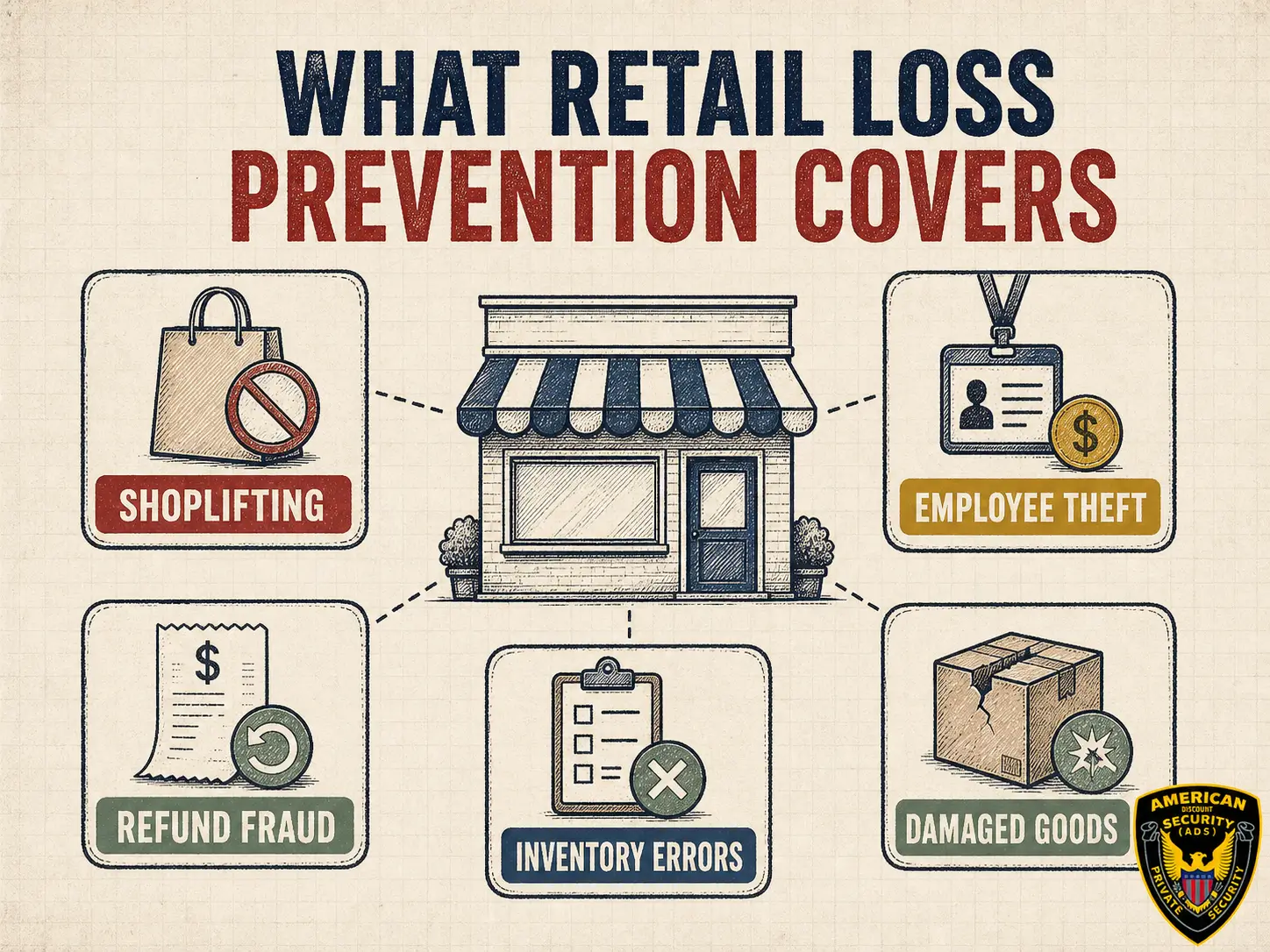
Losses can come from several places:
- Shoplifting and organized retail theft
- Employee theft or unauthorized discounts
- Refund, gift card, and payment fraud
- Receiving and inventory-counting errors
- Damaged, misplaced, or improperly recorded merchandise
- Vendor and delivery discrepancies
- Cash-handling mistakes
Retail shrinkage and theft are not interchangeable. Shrinkage is the gap between the inventory in a retailer’s records and what is physically on hand. Theft can cause that gap. So can mistakes and damaged products.
A useful retail theft prevention plan looks at security and store operations together. Cameras will not fix a sloppy return process, and inventory software will not watch an unmonitored exit.
1. Find out where the loss is happening
Start with the evidence already inside the business. Compare inventory adjustments, refund activity, voided sales, cash shortages, damaged merchandise, and incident reports by store, shift, department, and employee role.
One shortage may be noise. The same shortage every Friday night deserves a closer look.
Look for repeated problems such as:
- High-value items disappearing from one display
- Refunds processed without receipts
- Deliveries that regularly arrive short
- Cash drawers that are consistently over or under
- Inventory adjustments concentrated around one shift
- Emergency exits or stockroom doors being opened without a clear reason
Do this monthly. Waiting for an annual inventory count can leave a simple problem running for months.
2. Give employees written procedures
Employees should not have to improvise when a return looks suspicious or a customer walks toward an exit with unpaid merchandise. Written procedures make the response more consistent and protect employees from being pushed into unsafe confrontations.
Policies should cover returns, refunds, discounts, damaged products, cash handling, inventory adjustments, deliveries, key control, and incident reporting. They should also explain exactly when an employee should call a manager, security, or law enforcement.
The National Retail Federation’s small-business loss prevention guidance recommends written policies, regular audits, staff training, sensible store layouts, and security tools that fit the business. None of this is glamorous. It closes the everyday gaps where theft and mistakes hide.
3. Train staff to notice problems without playing detective
Employees are usually the first to notice repeated fitting-room trips, product concealment, suspicious refunds, or someone testing which doors are monitored.
Train staff to observe, help customers, and report what they see. A friendly greeting shows that someone is paying attention without starting a confrontation. Employees need to know which details to record, whom to contact, and when to step away.
Do not expect an untrained cashier or sales associate to physically stop someone. Merchandise can be replaced. An injured employee or customer cannot.
4. Improve sightlines across the store
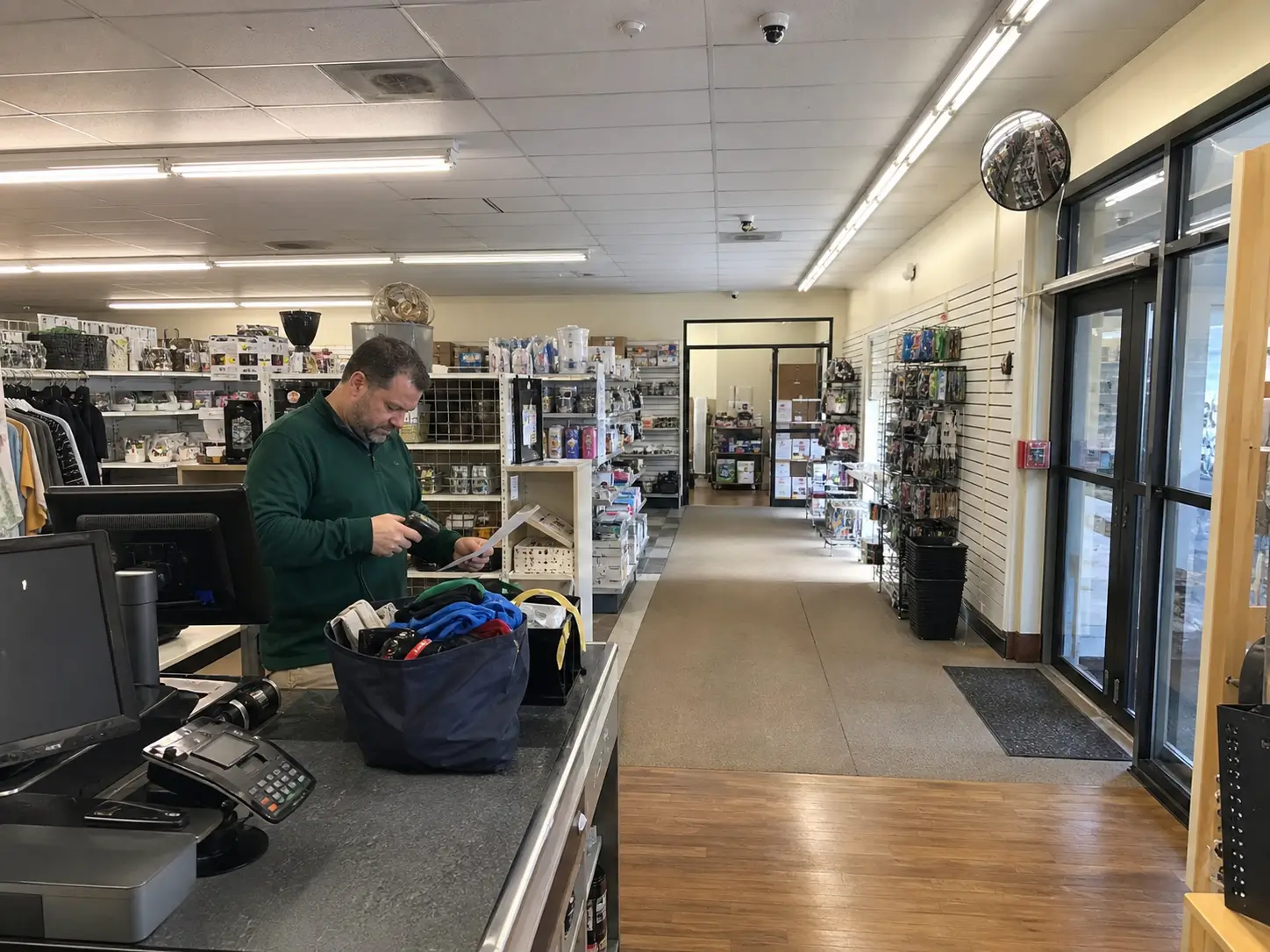
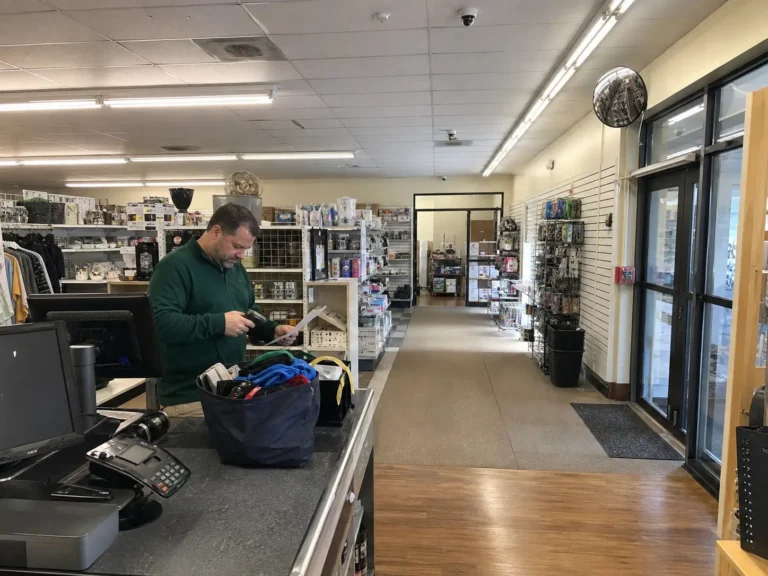
Tall displays, cluttered aisles, blocked windows, and blind corners make it easier for theft to go unnoticed. Walk the store from the entrance, checkout area, customer-service desk, and main employee positions. Note every area that disappears from view.
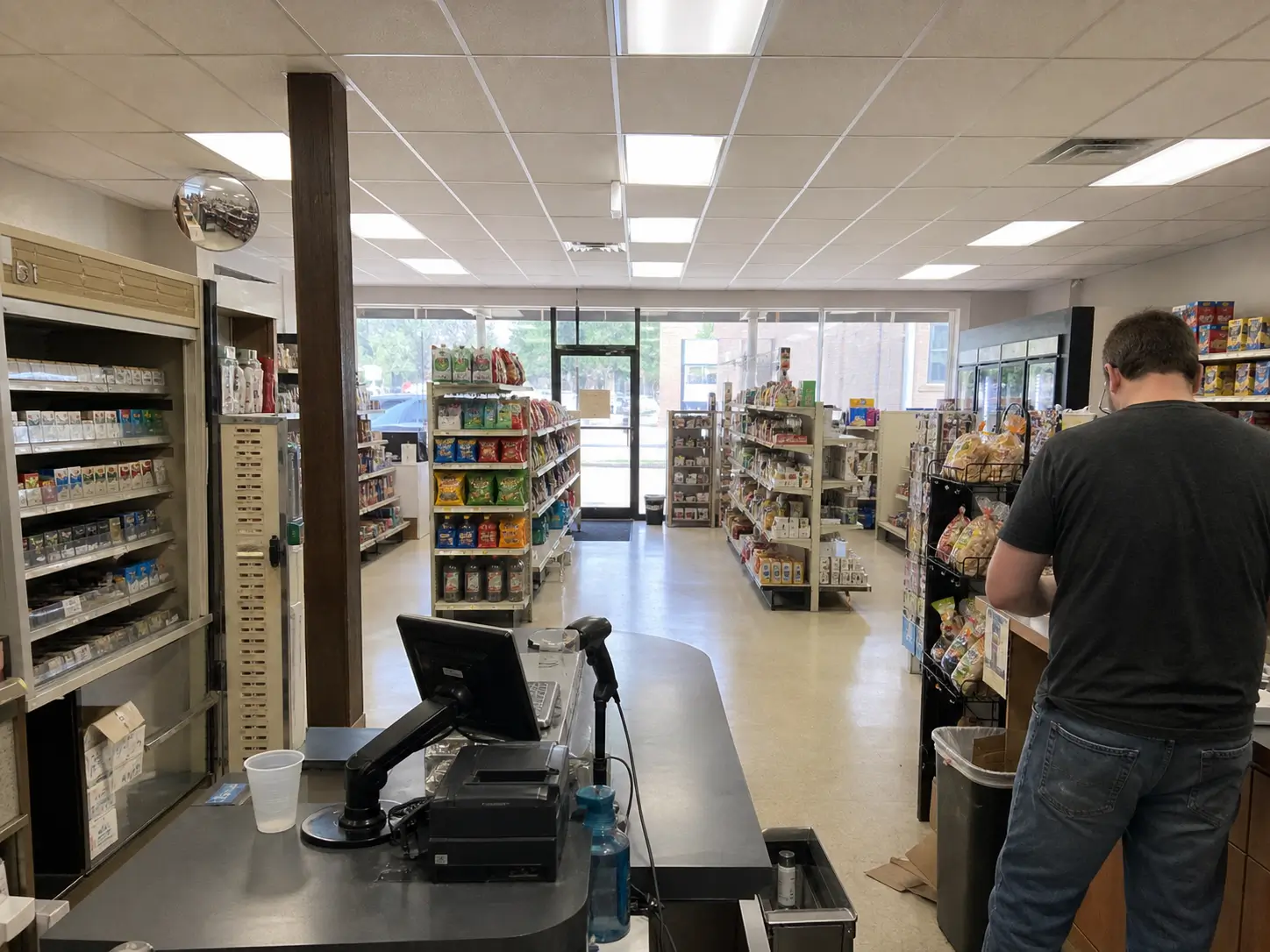
Start with a few layout changes:
- Keep high-value, easy-to-conceal products in visible areas
- Avoid placing tall displays near entrances and exits
- Use mirrors where shelving creates blind spots
- Keep windows clear enough for employees to see the parking area
- Make sure fitting-room and stockroom entrances are observable
- Remove unused fixtures and promotional clutter
The store should still feel welcoming. Employees should simply be able to see what is happening.
5. Place security cameras around real risks
More cameras do not automatically mean better coverage. A camera pointed at the wrong angle may capture plenty of video without showing a face, a register transaction, or the merchandise involved.
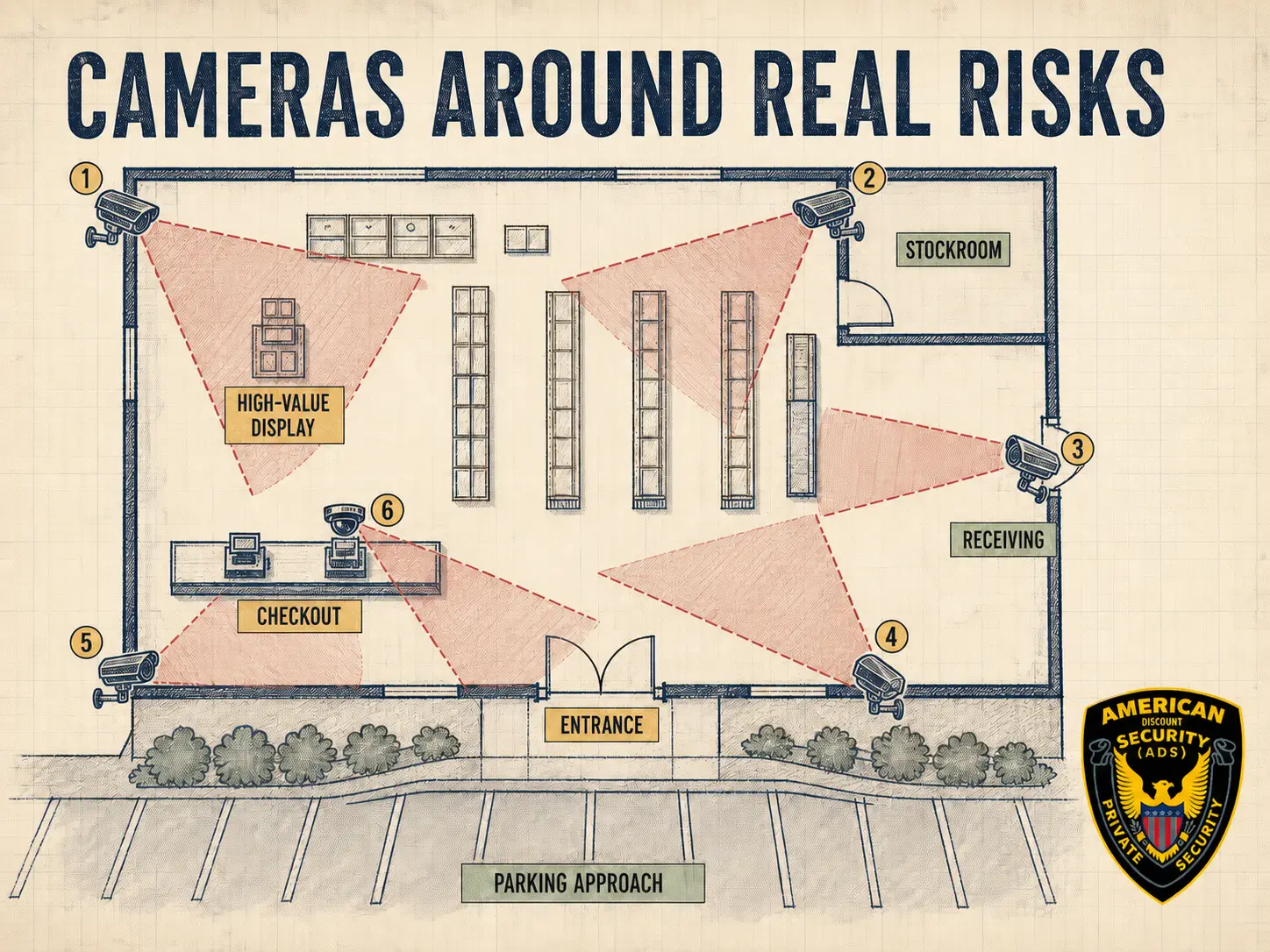
Prioritize entrances, exits, registers, customer-service counters, high-value displays, stockroom doors, receiving areas, and parking-lot approaches. Check for glare, poor nighttime lighting, seasonal displays, and signs that block the view.
Our guide on where to place security cameras covers camera height, overlapping views, and common blind spots.
Give someone responsibility for testing the system. Otherwise, the first sign of a recording failure may arrive when a manager tries to pull footage after a theft.
6. Tighten up receiving and stockroom access
The sales floor gets most of the attention, but merchandise can disappear before it ever reaches a shelf.
Limit stockroom and receiving access to employees who need it. Log deliveries, compare packing documents with the items received, and investigate discrepancies quickly. High-value inventory may need a locked cage or a separate access list. A locked door does not help much if everybody has the code.
Avoid giving one person complete control over ordering, receiving, recording, and adjusting the same inventory. Dividing those duties makes honest errors easier to catch and deliberate theft harder to hide.
7. Make returns and discounts easy to audit
Flexible return policies can be good for customers and rough on loss prevention. Keep the process convenient, but make unusual activity visible.
Set manager-approval thresholds for high-value returns, no-receipt transactions, repeated overrides, and large discounts. Track who approved each action and review patterns over time.
Shared register logins make this nearly impossible. If five employees use the same credentials, the transaction history cannot tell you who did what.
8. Protect cash without slowing down the store
Registers should hold only the cash needed for normal business. Use scheduled drops, limit access to safes, and require counts at shift changes. Deposits should follow a consistent process, with two-person verification when appropriate.
A written cash handling policy helps employees understand who can access money, how shortages are documented, and what happens when the numbers do not match.
A short procedure that employees follow every shift beats a detailed policy they ignore when the store gets busy.
9. Treat parking lots and closing time as part of the plan
Loss prevention does not stop at the front door. Parking areas, loading zones, employee entrances, and trash enclosures can create opportunities for theft and safety problems.
Check exterior lighting, landscaping, cameras, and door security. Closing employees need a routine for locking entrances, checking customer areas, securing deposits, and leaving safely.
Late-night retail deserves extra care. OSHA’s guidance for late-night retail establishments recommends identifying workplace-violence risks and choosing controls that fit the specific location. Store hours, cash exposure, staffing, prior incidents, and the surrounding area all affect that decision.
10. Use security guards where human judgment matters
Technology records, sends alerts, and controls access. A fast-changing situation still needs human judgment.
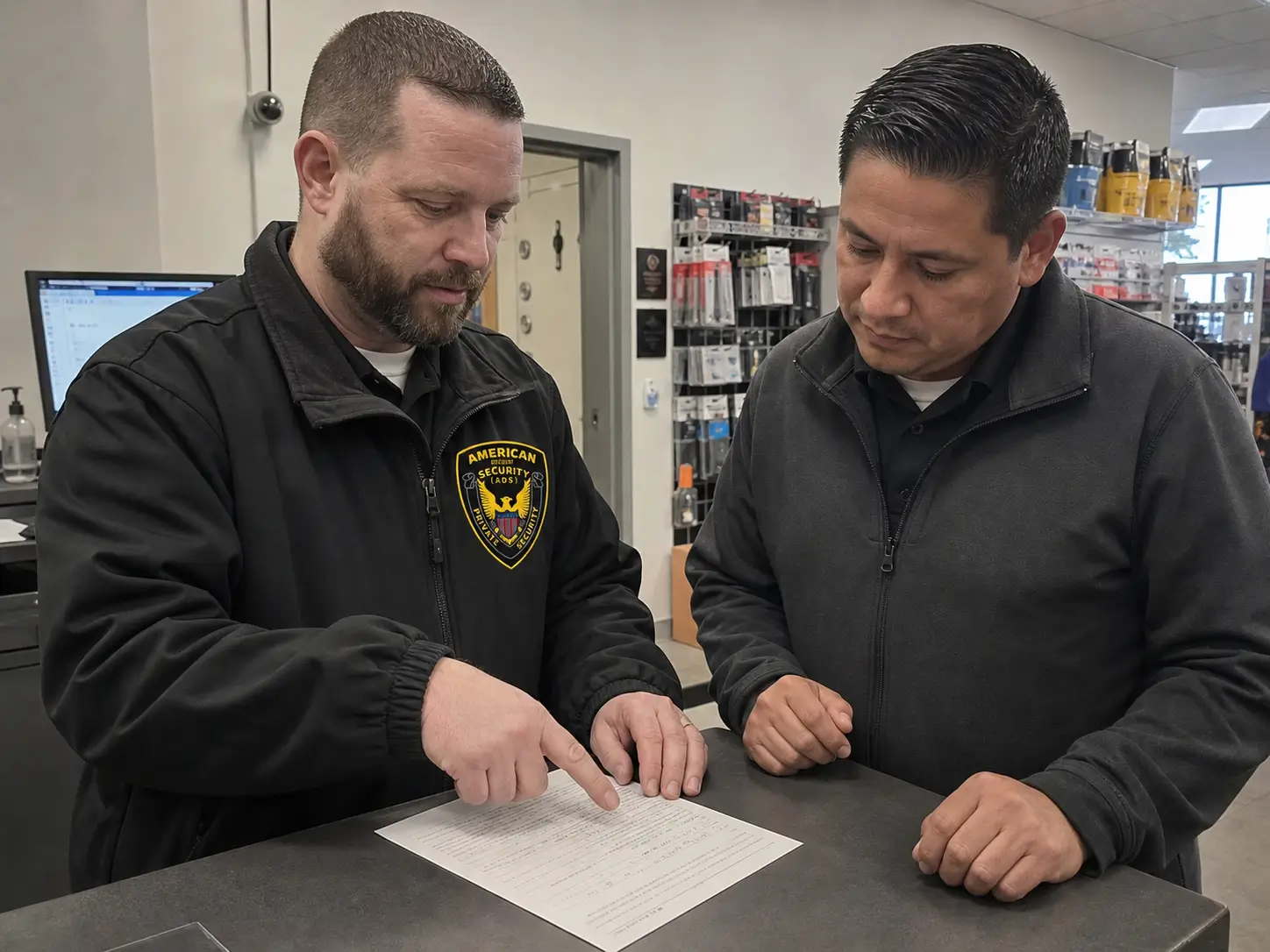
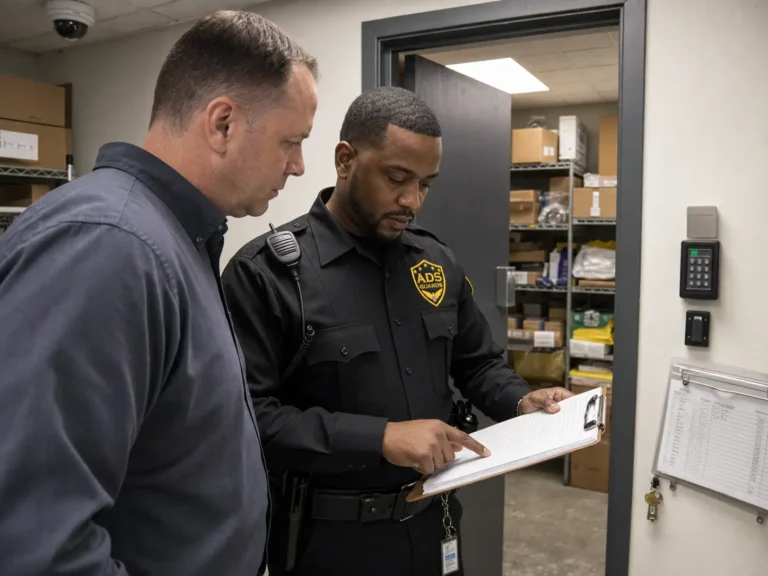
Trained retail security guards can monitor entrances, patrol parking areas, respond to disturbances, document incidents, support closing procedures, and provide a visible deterrent. They can also help employees follow a consistent response instead of reacting differently every time.
Guard coverage should match the store’s actual risks. A small daytime shop may need occasional patrols. A busy shopping center, high-theft location, or late-night retailer may need a visible on-site presence. We plan shopping center and retail security services around store hours, traffic, property layout, and incident history.
11. Set a safe policy for suspected shoplifting
Every store needs a clear rule for observation, reporting, customer contact, detention, and law-enforcement notification. The policy should be reviewed by qualified legal counsel and should reflect the laws in the state where the store operates.
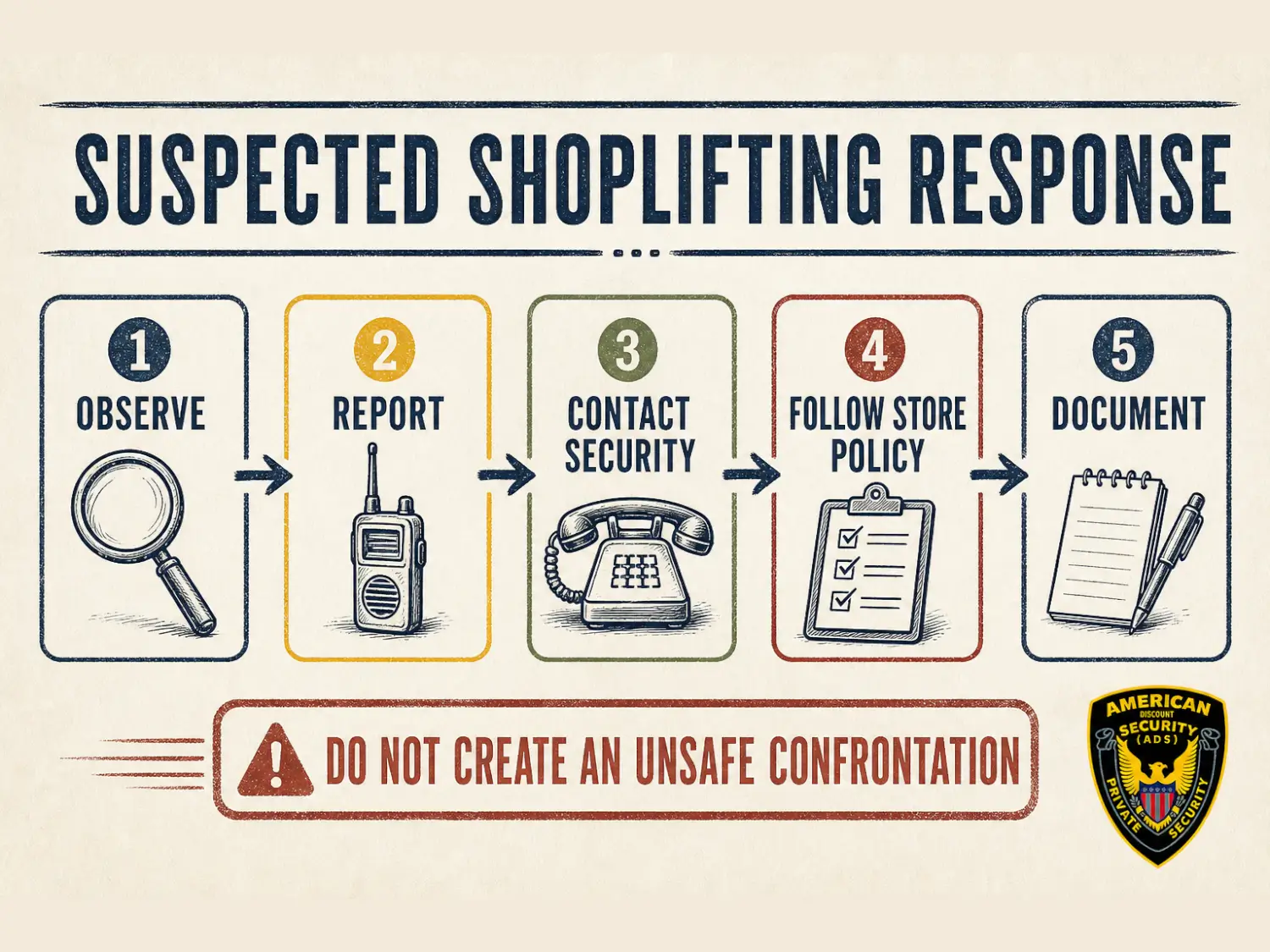
In California, Penal Code section 490.5 allows a merchant to detain a person for a reasonable time and in a reasonable manner when the merchant has probable cause to believe merchandise is being unlawfully taken. An impulsive stop can still go badly. The facts, training, store policy, and safety risks all matter.
For a closer look at this issue, read our guide to whether security guards can detain shoplifters in California.
12. Review incidents and adjust the plan
An incident report is useful only if someone reads it. Use each report to find out what failed and whether the same thing has happened before.
After a theft, threat, cash shortage, or inventory discrepancy, ask:
- Was the policy clear?
- Did employees know whom to contact?
- Did the camera capture useful footage?
- Was a door, display, or process easy to exploit?
- Did staffing or store layout contribute?
- Has the same pattern appeared before?
Fix one weak point, watch what happens, then move to the next. A plan that never changes is usually a plan nobody is reviewing.
Frequently asked questions
What is loss prevention in retail?
Loss prevention in retail is the set of policies, training, security measures, and operational controls used to reduce theft, fraud, inventory errors, product damage, and other causes of financial loss.
What is the difference between loss prevention and security?
Security focuses mainly on protecting people and property from threats, theft, and unsafe behavior. Loss prevention is broader. It also covers inventory controls, cash procedures, returns, vendor discrepancies, and operational errors. The two functions often work together.
How can a small store prevent shoplifting?
If you are deciding how to prevent shoplifting, start with clear sightlines, attentive customer service, sensible product placement, working cameras, and a written response policy. Employees should know how to report suspicious behavior without putting themselves in danger.
Do security guards reduce retail theft?
A visible, trained guard can deter some theft and give the store a faster, more consistent response to incidents. Guards are most useful when cameras, employee training, access control, and store procedures support their work.
How often should a retail loss prevention plan be reviewed?
Set a regular review schedule, then revisit the plan after any serious incident, major layout change, shift in store hours, or repeated pattern of loss. High-risk locations will need more frequent reviews.
Final thoughts
Loss prevention in retail belongs in the daily routine. The boring controls catch a surprising amount: register logins, inventory checks, working cameras, locked stockrooms, and employees who know when to call for help.
Start with the patterns already showing up in your store. Fix the obvious gaps first, measure what changes, and build from there. If theft, disturbances, or after-hours risks are stretching your team, professional retail security can add a trained presence without asking regular employees to take on situations they are not prepared to handle.