Fire Watch Requirements in California: What Property Managers Need to Know
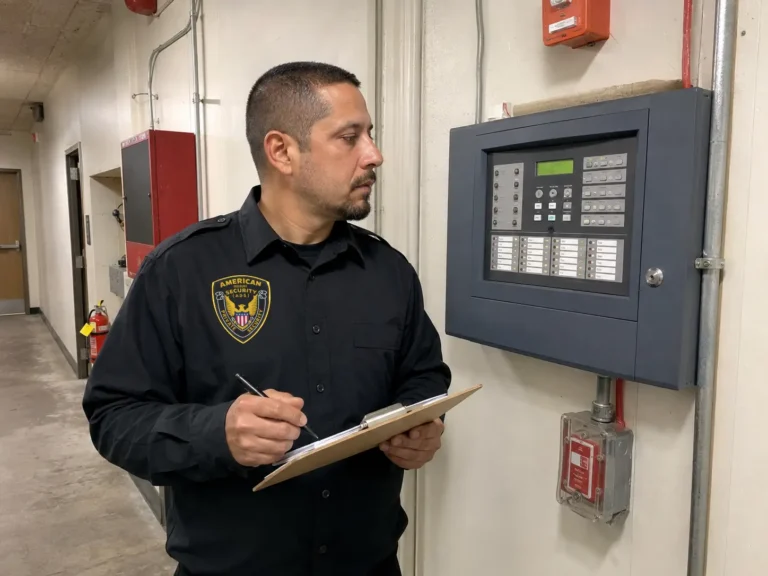
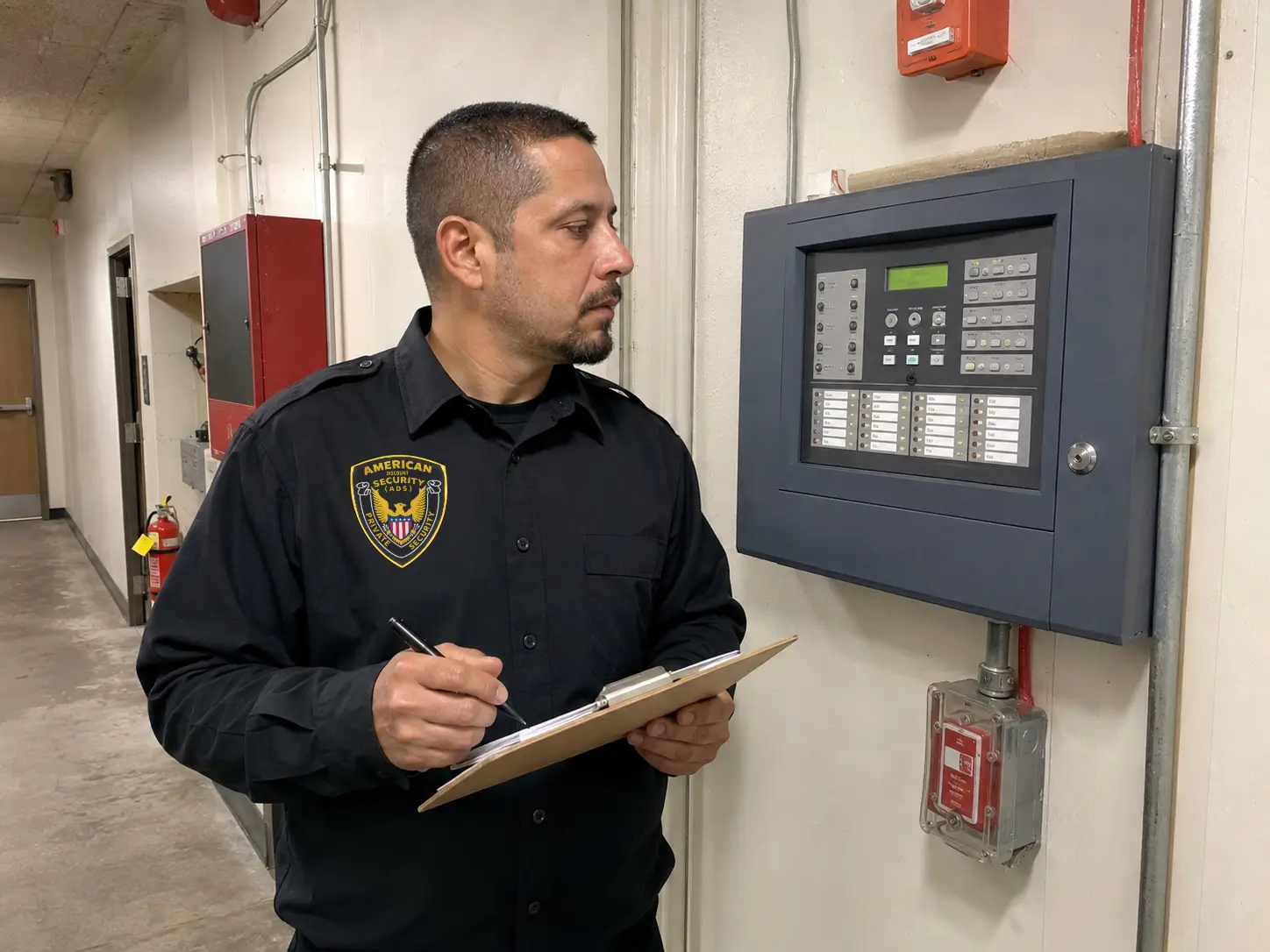
A fire alarm panel dies at 2 a.m. The repair company is on the way, but the building is still occupied. Can everyone stay? Does somebody need to walk the property? How often?
Those questions cannot wait until morning. California fire watch requirements set the basic rules for notification and patrol coverage, while the local fire department decides what the job requires at your site. If the fire code official orders a watch, the property needs dedicated coverage until the system is restored.
What is a fire watch?
A fire watch is temporary coverage for a property without normal fire protection or for work that raises the chance of a fire. Assigned personnel patrol the affected area, look for smoke, fire, and visible hazards, and keep an approved way to contact the fire department.
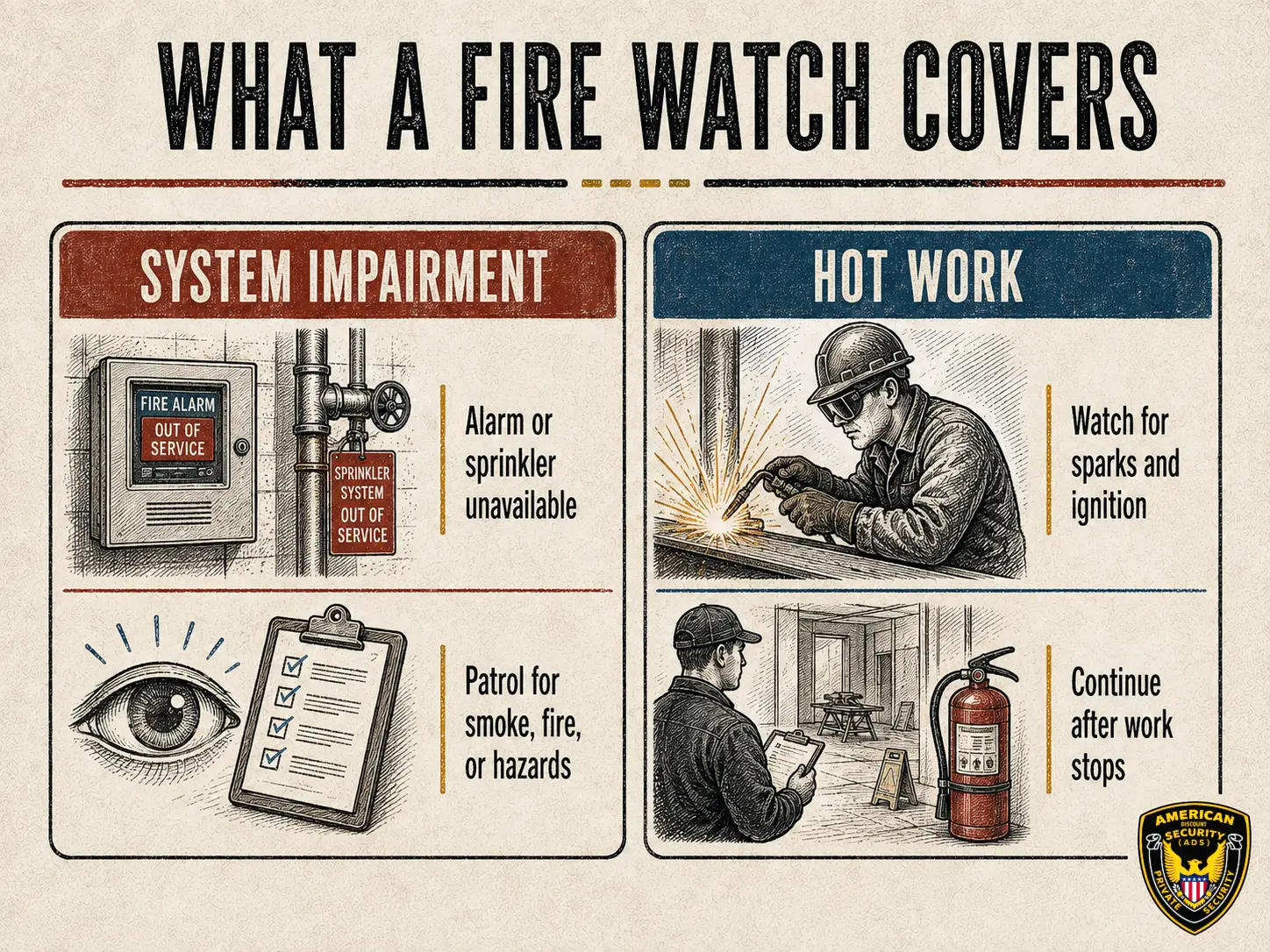
There are two situations people often mix together:
- A fire protection system is impaired, such as a sprinkler, alarm, standpipe, or fire pump being out of service.
- Hot work is taking place, such as welding, cutting, brazing, grinding, or another operation that produces heat or sparks.
The rules are not interchangeable. A system impairment may leave an occupied building exposed for hours or days. A hot work watch stays focused on the work area and any nearby space that could catch fire.
Our older guide to fire watch security explains the basic role. This guide focuses on the requirements property managers and business owners need to deal with when protection goes offline.
When is a fire watch required in California?
Under Section 901.7 of the 2025 California Fire Code, the fire department and fire code official must be notified immediately when a required fire protection system is out of service. If the fire code official requires it, the building must either be evacuated or covered by an approved fire watch until the system is back in service.
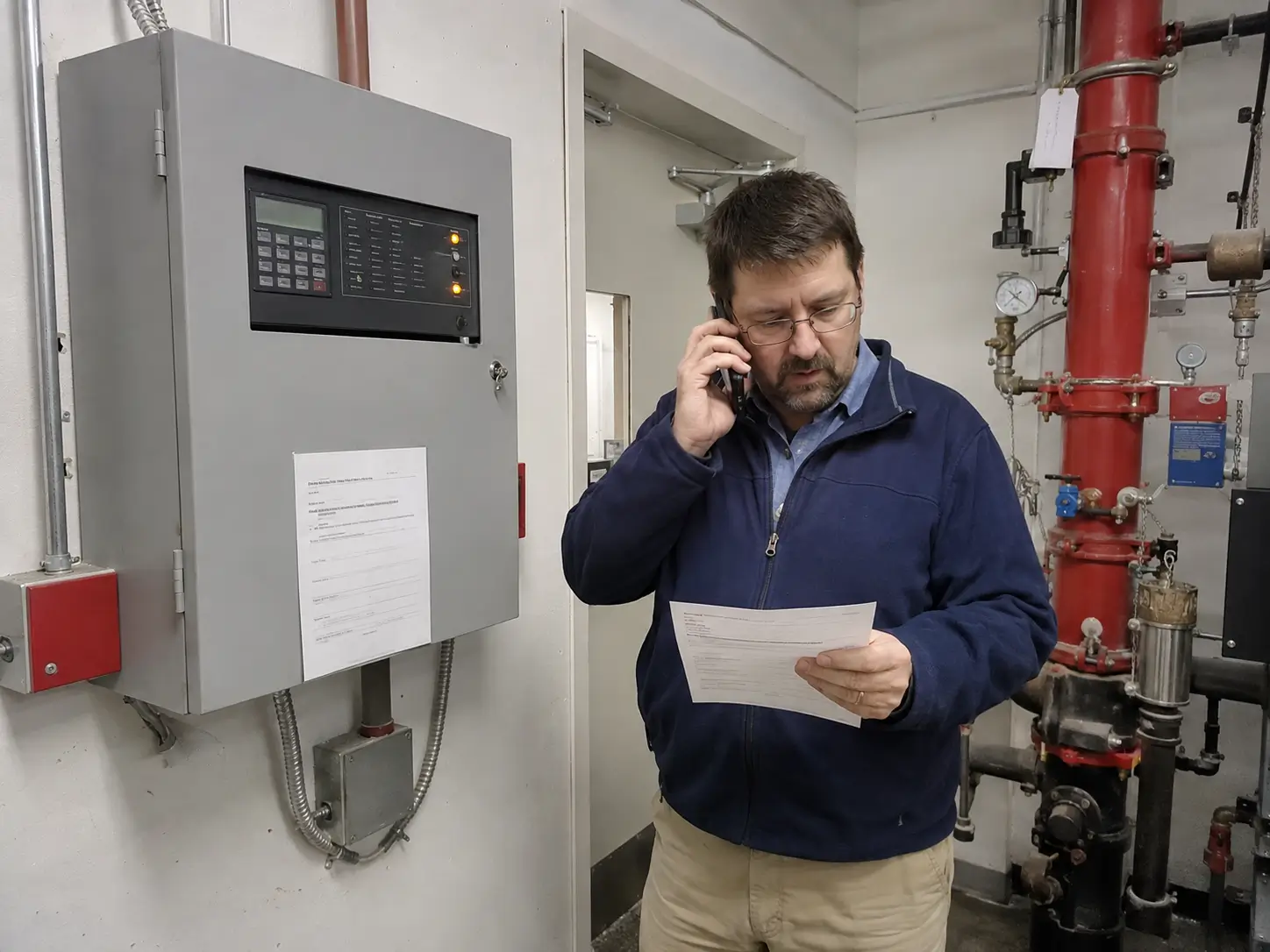
An outage does not create one identical procedure for every property. The fire code official looks at the failed system, affected area, occupancy, and risk. A hotel with a dead alarm panel may get different instructions from an empty warehouse with one sprinkler zone under repair.
Common triggers include:
- a fire alarm panel or detection system failure
- a sprinkler system, standpipe, or fire pump taken offline
- planned testing, renovation, or repair that leaves an area unprotected
- an emergency impairment caused by damage, power loss, or equipment failure
- construction or demolition conditions identified in the site safety plan
- hot work near combustible material or where sparks can reach concealed spaces
- a public event where the fire code official requires dedicated fire watch personnel
Do not wait for the contractor’s diagnosis before making the required notifications. Report the impairment, explain what is affected, and follow the instructions you receive.
Fire watch requirements for an impaired system
The California Fire Code gives the fire watch a narrow job. Personnel must have at least one approved way to notify the fire department. Their only duty is to perform constant patrols of the protected premises and watch for fires.
Before the first patrol, settle five questions.
Who is responsible?
The building owner must assign an impairment coordinator. If nobody is named, the owner gets the job by default. The coordinator handles notifications, risk review, impairment tags, and the return to service.
What area must be covered?
The watch must cover the area left unprotected. That could be one tenant space, several floors, or the whole property. One person is not enough if that person cannot reliably patrol the assigned premises.
What does the fire watch person do?
The person patrols continuously, watches for smoke, fire, burning odors, blocked exits, and other visible hazards, and reports a fire without delay. They also need clear instructions for alerting occupants.
They should not be doing reception work, handling deliveries, or filling in for another post at the same time. The code says fire watch must be their only duty during a system impairment.
How often should rounds happen?
California requires constant patrols but does not set one interval for every building. The local fire department may specify a schedule, route, checkpoints, or log format. Use the interval it approves. A once-an-hour walk is not automatically acceptable.
What records are needed?
Keep a fire watch log even if the local instructions seem informal. Record who is on duty, shift times, every round, areas checked, problems found, action taken, and notifications made. Document each handoff too.
The outage needs a paper trail as well. Record its extent and expected duration, the affected area, who was notified, and which equipment was tagged out of service.
A simple fire watch setup checklist
When a required system goes down, use this sequence to get control of the situation quickly:
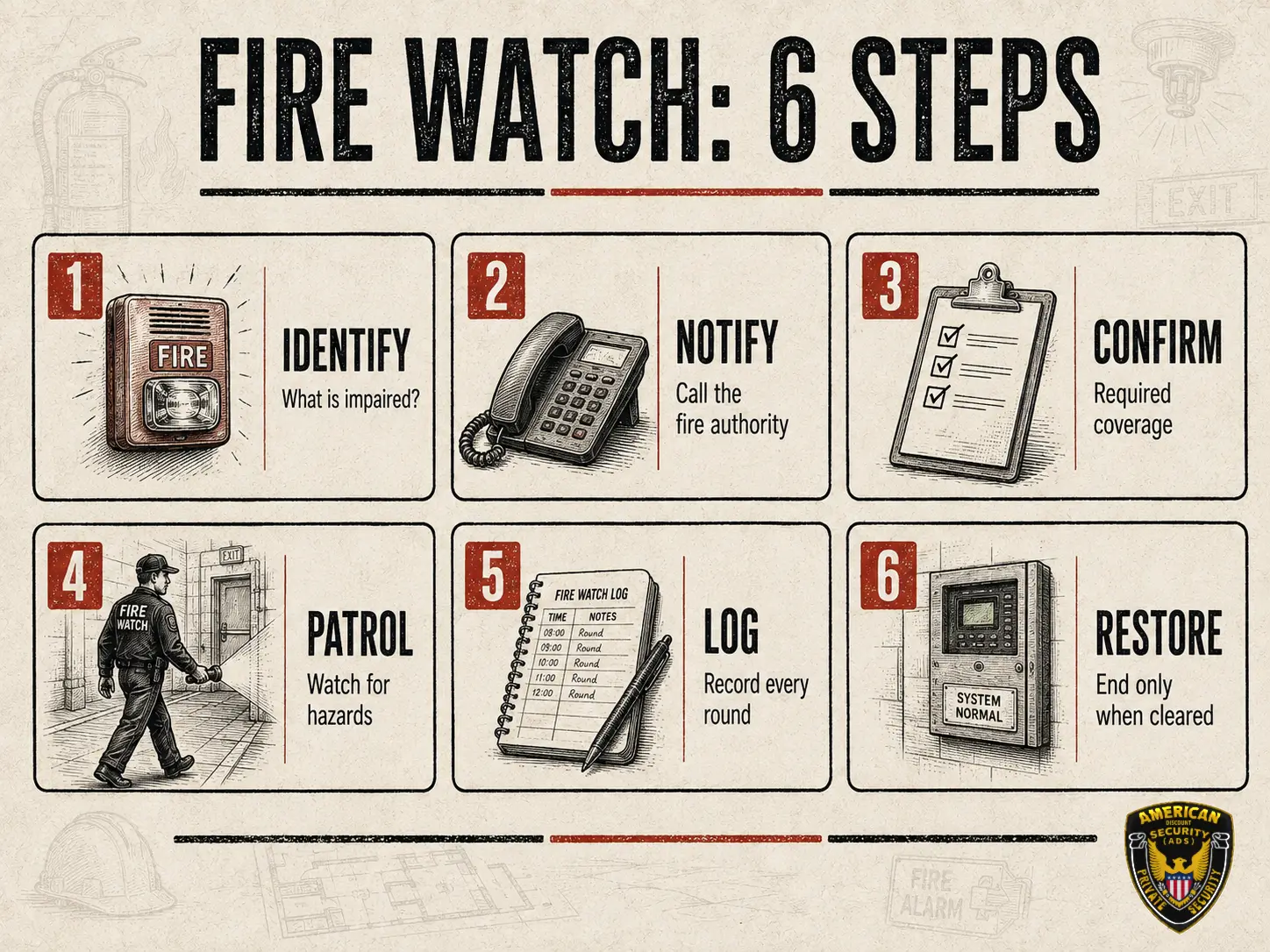
- Identify the failed system, affected zones, and time the impairment began.
- Notify the fire department and fire code official immediately.
- Contact the alarm company, repair contractor, building owner or manager, and insurer as required.
- Ask whether evacuation or an approved fire watch is required.
- Confirm the patrol area, staffing level, communication method, round frequency, and log format.
- Assign an impairment coordinator and qualified fire watch personnel.
- Tag the affected equipment or controls as directed.
- Brief occupants, supervisors, and other site staff on temporary procedures.
- Maintain continuous coverage with documented shift handoffs.
- After repairs, complete the required inspection and testing before ending the watch.
Use the checklist to organize the response, then follow the local fire department’s instructions for the property.
Fire watch requirements during hot work
A hot work fire watch protects the work area and nearby spaces while welding, cutting, grinding, or similar work throws heat, sparks, or hot debris.
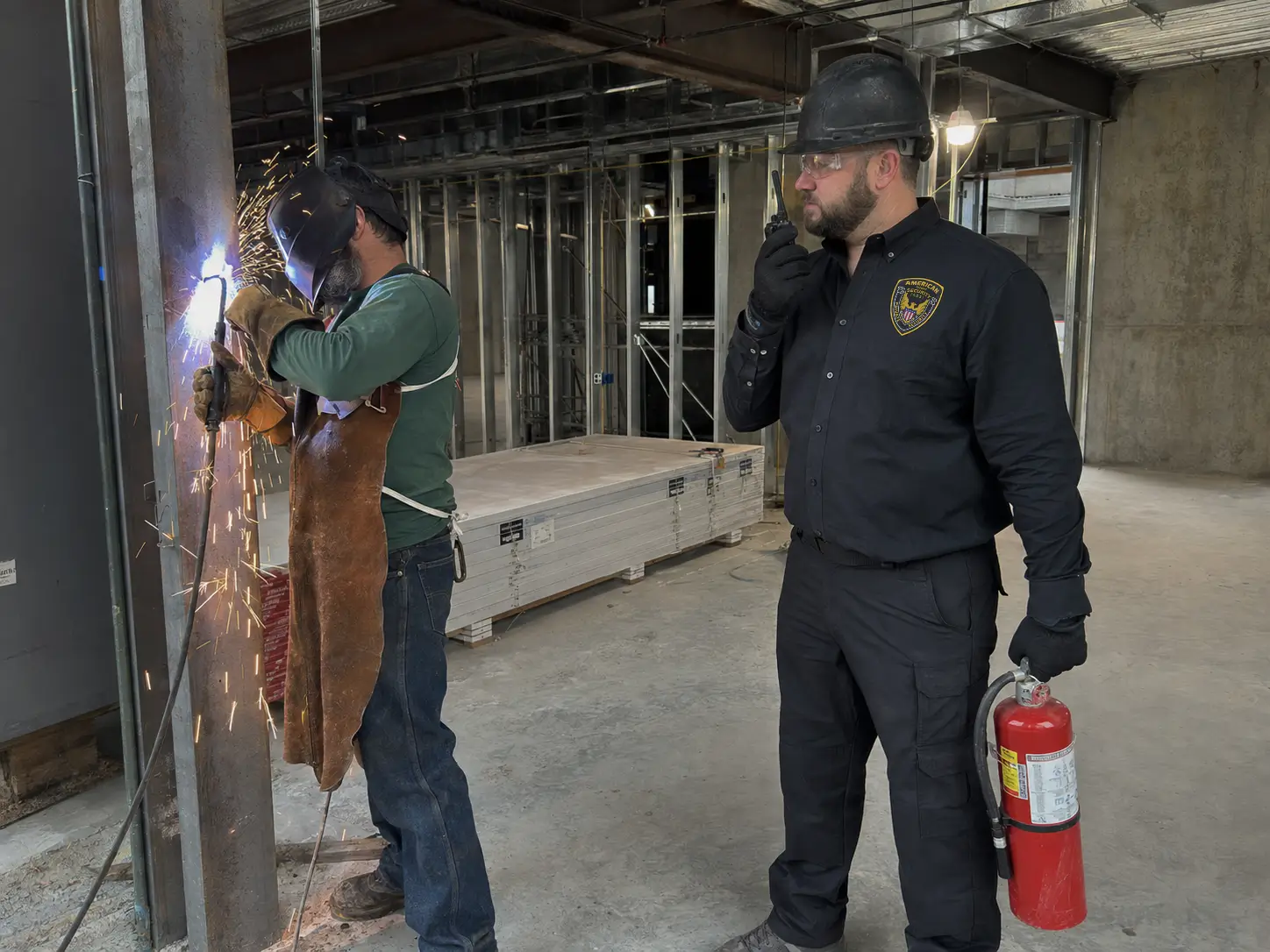
Chapter 35 of the 2025 California Fire Code requires a fire watch during hot work and for at least 30 minutes after it ends. The exception is an area with no fire hazards or combustible exposures. The fire code official or the manager responsible for the hot work program can extend the watch when the job calls for it.
The watch must cover the entire hot work area. If one person cannot see every exposed space, more personnel are needed. The assigned people must have fire extinguishing equipment available, know how to use it, and be ready to communicate an alarm.
Some workplaces have extra rules. OSHA’s fire watch standard for shipyards, for example, adds requirements for access, communication, stop-work authority, and training. Follow the permit, workplace standard, local fire code, and fire prevention plan that apply to the actual job.
Who can perform a fire watch?
The person must be qualified for the assignment and accepted under the approved plan. Local rules may add training, identification, equipment, and documentation requirements.
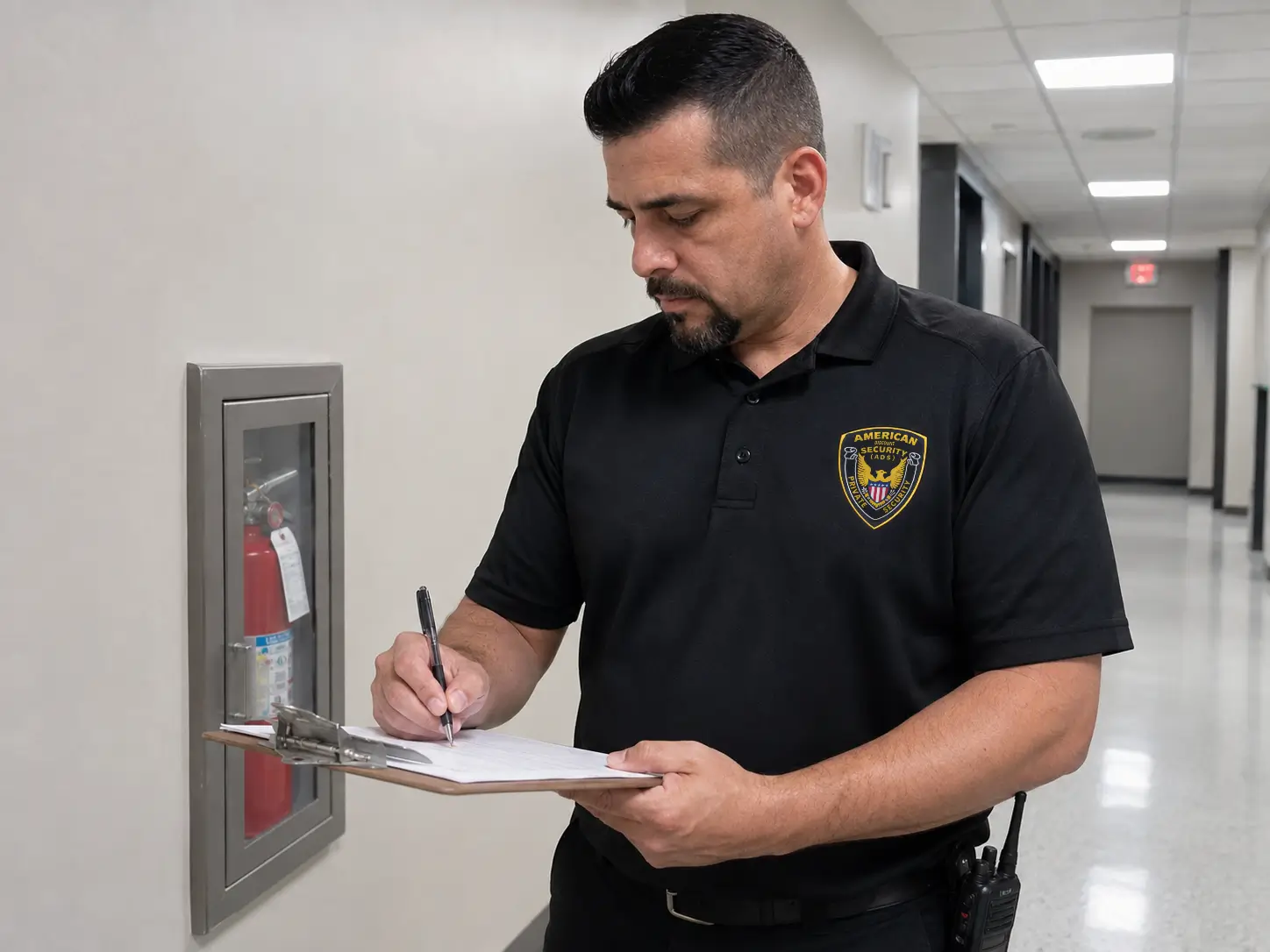
Fire watch personnel should know:
- the exact area they are responsible for
- the patrol route and required frequency
- how to recognize fire, smoke, and common hazards
- how to contact the fire department immediately
- how occupants will be warned and evacuated
- where exits and portable fire extinguishers are located
- what belongs in the patrol log
- when to escalate a problem rather than trying to handle it alone
A regular employee may be acceptable if the authority allows it and the employee can leave every other duty behind. Large properties and overnight outages are harder. Professional coverage may be easier to staff without gaps and document across several shifts.
When can the fire watch end?
Not when the repair technician says, “It should be fine now.”
Section 901.7.6 requires the coordinator to verify the repair through the necessary inspections and tests. The fire department, supervisors, owner or manager, insurer, alarm company, and other involved parties must be told that protection is restored. Then the impairment tag can be removed.
Keep the watch in place until the system is back in service and the release process is complete. Save the patrol logs, repair notes, test results, and notification record together.
Common mistakes that create bigger problems
Most fire watch failures are fairly ordinary. Someone forgets a notification, misses a handoff, or treats the assignment like a spare security post.
Watch for these problems:
- starting patrols without notifying the fire department
- covering only the broken equipment room instead of the full unprotected area
- giving the assigned person unrelated work
- leaving gaps during meals, breaks, or shift changes
- using a generic patrol interval without approval
- keeping logs with missing times, areas, or names
- ending coverage before the system passes testing
- confusing hot-work rules with system-outage rules
For an overnight outage, set the shift and handoff plan early. Nobody should be guessing who has the next round at 3 a.m.
FAQ
Is a fire watch always required when a sprinkler or alarm is offline?
No single response applies to every property. California requires immediate notification when a required system is out of service. The fire code official may order evacuation or an approved fire watch.
How often does a fire watch need to patrol?
The California Fire Code calls for constant patrols but does not give one interval that applies to every site. Confirm the required frequency with the local fire department or fire code official and document every round.
Can a security guard perform fire watch duties?
Yes, if the guard is qualified, properly briefed, and accepted under the approved fire watch plan. During a system impairment, fire watch must be the person’s only duty.
Does a fire watch person need to be certified in California?
The statewide code focuses on approval, qualification, duties, and notification. Local authorities can add training or documentation rules. Ask the fire code official what proof is required for the property.
What should a fire watch log include?
Include the date, personnel name, shift times, each patrol time, areas checked, observations, hazards found, action taken, and notifications made. Add handoff details when another person takes over.
Can fire watch personnel put out a fire?
Their first responsibility is prompt notification and occupant safety. Any attempt to use an extinguisher should stay within the person’s training, the site’s emergency plan, and safe conditions. Nobody should delay calling the fire department or attempt to fight a growing fire.
Final thoughts
California fire watch requirements are manageable when the response starts quickly. Call the fire department, get the plan approved, put dedicated people on patrol, and keep clean records until the system is restored.
If you need trained personnel for an impairment, our commercial security team can arrange fire watch coverage. Active projects can also use our construction site security services for site patrols and reporting. Get the local fire official’s requirements first, then build the staffing plan around them.